


Product Description
by Aaron N. Shugar (Editor), Jennifer L. Mass (Editor)
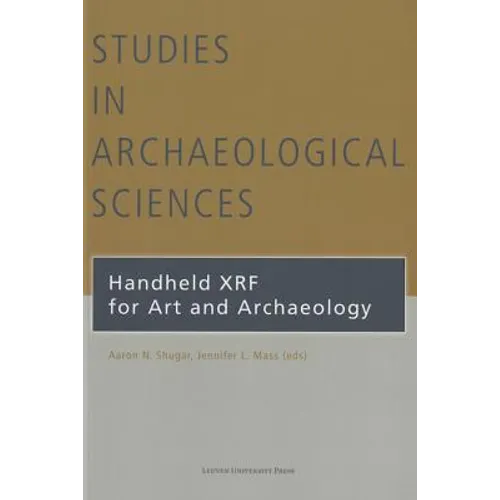
Over the last decade the technique of X-ray fluorescence has evolved from dependence on laboratory-based, stand-alone units to the field use of portable and lightweight handheld devices. These portable instruments have given researchers in art conservation and archaeology the opportunity to study a broad range of materials with greater accessibility and flexibility than ever before.In addition, the low relative cost of handheld XRF has led many museums, academic institutions, and cultural centers to invest in the devices for routine materials analysis purposes. Although these instruments often greatly simplify data collection, proper selection of analysis conditions and interpretation of the data still require an understanding of the principles of x-ray spectroscopy. These instruments are often marketed and used as "point-and-shoot" solutions; however, their inexpert use can easily generate deceptive or erroneous results.This volume focuses specifically on the applications, possibilities, and limitations of handheld XRF in art conservation and archaeology. The papers deal with experimental methodologies, protocols, and possibilities of handheld XRF analysis in dealing with the complexity of materials encountered in this research.Contributors: J. Aimers, State University of New York; T. Barrett, University of Iowa; A. Bezur, The Museum of Fine Arts, Houston; R. Brill, Corning Museum of Glass; F. Casadio, Art Institute of Chicago; M. Donais, Saint Anselm College; D. Farthing, State University of New York; J. Furgeson, University of Missouri; D. George, Saint Anselm College; B. Kaiser, Bruker Elemental; A. Kaplan, Getty Conservation Institute; J. Lang, University of Iowa; J. Mass, Winterthur Museum; C. Matsen, Winterthur Museum; C. McGlinchey, Museum of Modern Art; H. Neff, California State University Long Beach; C. Patterson, Getty Conservation Institute; R. Shannon, Bruker-Elemental; A. Shugar, Buffalo State College; J. Sirois, Canadian Conservation Institute; D. Smith, National Gallery of Art; D. Stulik, Getty Conservation Institute; K. Trentelman, Getty Conservation Institute; N. Turner, Getty Conservation Institute; F. Paredes Umaña, University of Pennsylvania; B. Voorhies, University of California; J. Wade, National Science Foundation.
Author Biography
Aaron N. Shugar is an Associate Professor of Art Conservation Science at Buffalo State College, Buffalo, New York, and is on the graduate faculty at the University of Toronto.



