Skip to content
Welcome To Our Store.
100,000+ Products for Home, Medical, Office & Classroom Needs
Search
Skip to product information
1 of 1

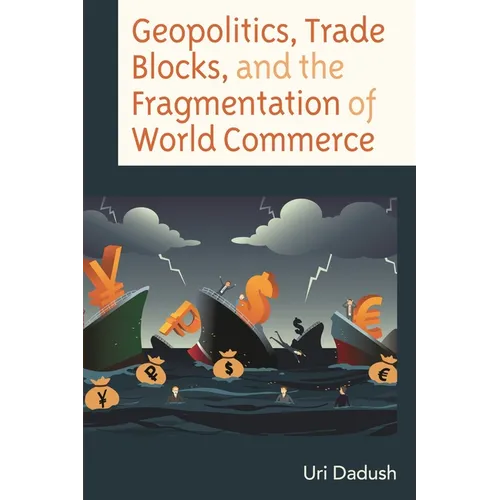
Geopolitics, Trade Blocks, and the Fragmentation of World Commerce - Hardcover

$198.00 USD
$198.00 USD
Sale Sold out
Shipping calculated at checkout.
In stock (100 units), ready to be shipped

Available Offers

Fastest Delivery Tomorrow With Vip DealOrder within 1 hr 8 mins.

Instant 10% Discount On HDFC Banks Credit/Debit Cards EMI and CreditCard

Secure checkout with
  • American Express
  • Apple Pay
  • Diners Club
  • Discover
  • Google Pay
  • Mastercard
  • PayPal
  • Shop Pay
  • Visa
  • Daily deals
  • Return policy
  • Payment method
  • Help center 24/7

Flight Range: Up to 1,000 meters (3,280 feet)

Maximum Speed: 45 kilometers per hour (28 miles per hour)

For all orders exceeding a value of 100USD shipping is offered for free.

Returns will be accepted for up to 10 days of Customer’s receipt or tracking number on unworn items. You, as a Customer, are obliged to inform us via email before you return the item.

Otherwise, standard shipping charges apply. Check out our delivery Terms & Conditions for more details.

View Product Details
Shopping cart
Product Product subtotal Quantity Price Product subtotal
Geopolitics, Trade Blocks, and the Fragmentation of World Commerce - Hardcover
$198.00/ea
$0.00
$198.00/ea $0.00

Product Description

by Uri Dadush (Author)

The global economic edifice built after World War II is a source of unprecedented prosperity. It cannot function without open and predictable international trade, and the peaceful international relations that are its foundation. The rules that enable trade are under attack. Social divisions and great power rivalry have eroded the political support for open trade. The consequence is fragmentation of world trade, its separation into blocks that advance domestic producers or favored nations nearby. These blocs are themselves often pulled apart by competing agendas. The prospects are for vastly reduced economic efficiency and - most ominously - heightened geopolitical tensions. The questions about why this is happening, how economic fragmentation will evolve, and how to respond to it, are uppermost in the minds of policymakers and businesses across the world. These are the questions that Uri Dadush seeks to answer. Since the uncertainty cannot be dispelled, it must be better managed.

Author Biography

Uri Dadush is research professor at Maryland University and past World Bank Trade Director.

Number of Pages: 226
Dimensions: 0.63 x 9 x 6 IN
Publication Date: September 15, 2024
you might like