Skip to content
Save 5% on your next order with code PREMIUM5!
100,000+ Products for Home, Medical, Office & Classroom Needs
Search
Skip to product information
1 of 1

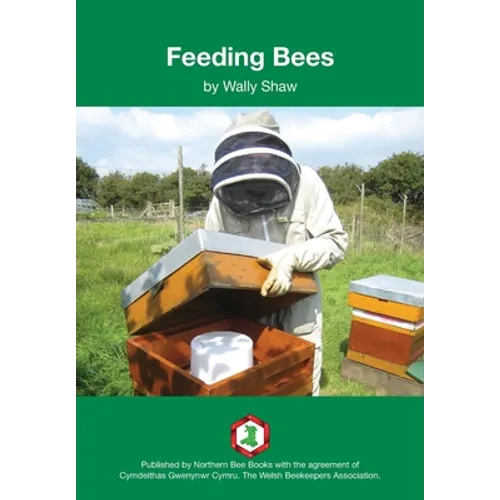
Feeding Bees - Paperback

$24.48 USD
$24.48 USD
Sale Sold out
Shipping calculated at checkout.
In stock (100 units), ready to be shipped

Available Offers

Fast delivery available on most orders

Multiple secure payment options accepted

Secure checkout with
  • American Express
  • Apple Pay
  • Diners Club
  • Discover
  • Google Pay
  • Mastercard
  • PayPal
  • Shop Pay
  • Visa

Flight Range: Up to 1,000 meters (3,280 feet)

Maximum Speed: 45 kilometers per hour (28 miles per hour)

For all orders exceeding a value of 100USD shipping is offered for free.

Returns will be accepted for up to 10 days of Customer’s receipt or tracking number on unworn items. You, as a Customer, are obliged to inform us via email before you return the item.

Otherwise, standard shipping charges apply. Check out our delivery Terms & Conditions for more details.

View Product Details
Shopping cart
Product Product subtotal Quantity Price Product subtotal
Feeding Bees - Paperback
$24.48/ea
$0.00
$24.48/ea $0.00

Product Description

by Wally Shaw (Author)

Honey bees collect two types of food material; nectar and pollen. With the collection of nectar there is no evidence that there is any selection based on its nutrient value, other than as a source of energy (their dietary carbohydrate). Pollen is their source of protein and lipids (fats). By contrast, foraging for this vital material is much more complex and seems to be based on the nutritional value of the pollen. Bees will forage for easily collected pollens but will also go out of their way to obtain supplies of a diverse range of other pollens that may require much more effort. How much and how often a beekeeper needs to feed honey bee colonies depends on beekeeping practices, e.g. how much of their honey is harvested. But the environmental conditions to which they are exposed (primarily forage availability and climate) also needs to be taken into account. This booklet offers advice on what materials can safely be used to feed bees, at what times of year feeding may be required and how to assess their needs. Also discussed is the means of delivery; the types feeder that can be used and their pros and cons.

Number of Pages: 32
Dimensions: 0.09 x 9.61 x 6.69 IN
Publication Date: January 11, 2021
you might like