Skip to content
Welcome To Our Store.
100,000+ Products for Home, Medical, Office & Classroom Needs
Search
Skip to product information
1 of 1

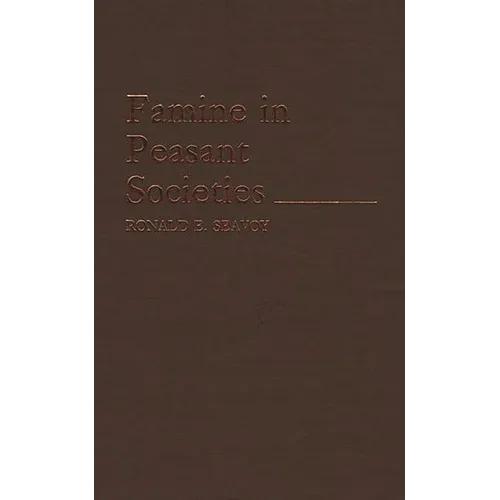
Famine in Peasant Societies. - Hardcover

$180.00 USD
$180.00 USD
Sale Sold out
Shipping calculated at checkout.
In stock (100 units), ready to be shipped

Available Offers

Fastest Delivery Tomorrow With Vip DealOrder within 1 hr 8 mins.

Instant 10% Discount On HDFC Banks Credit/Debit Cards EMI and CreditCard

Secure checkout with
  • American Express
  • Apple Pay
  • Diners Club
  • Discover
  • Google Pay
  • Mastercard
  • PayPal
  • Shop Pay
  • Visa
  • Daily deals
  • Return policy
  • Payment method
  • Help center 24/7

Flight Range: Up to 1,000 meters (3,280 feet)

Maximum Speed: 45 kilometers per hour (28 miles per hour)

For all orders exceeding a value of 100USD shipping is offered for free.

Returns will be accepted for up to 10 days of Customer’s receipt or tracking number on unworn items. You, as a Customer, are obliged to inform us via email before you return the item.

Otherwise, standard shipping charges apply. Check out our delivery Terms & Conditions for more details.

View Product Details
Shopping cart
Product Product subtotal Quantity Price Product subtotal
Famine in Peasant Societies. - Hardcover
$180.00/ea
$0.00
$180.00/ea $0.00

Product Description

by Ronald E. Seavoy (Author)

In this controversial study, Seavoy offers a new approach to the problem of periodic peacetime famine based on the actual behavior of peasants. He maintains that it is possible to increase per capita food production without massive and inappropriate technological inputs. Seavoy shifts the focus from modern development economics to a cultural and historical analysis of subsistence agriculture in Western Europe (England and Ireland), Indonesia, and India. From his survey of peasant civilization practices in these countries, he generalizes on the social values that create what he terms the subsistence compromise. In all of the ages and culture, Seavoy finds a consistent social organization of agriculture that produces identical results: seasonal hunger in poor crop years and famine conditions in consecutive poor crop years. He argues that economic policies have failed to increase per capita food production because economists and government planners try to apply market-oriented policies to populations that are not commercially motivated. Once they understand the subsistence compromise, policy-makers can take appropriate political action.

Author Biography

avoy /f Ronald /i E.

Number of Pages: 494
Dimensions: 1.06 x 9.21 x 6.14 IN
Publication Date: June 24, 1986
you might like