Skip to content
Welcome To Our Store.
100,000+ Products for Home, Medical, Office & Classroom Needs
Search
Skip to product information
1 of 1

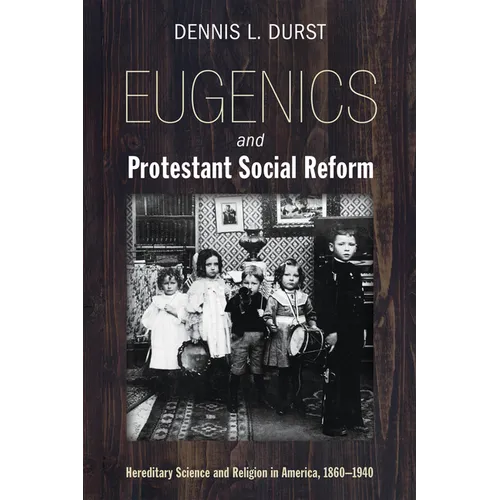
Eugenics and Protestant Social Reform: Hereditary Science and Religion in America, 1860-1940 - Hardcover

$55.08 USD
$55.08 USD
Sale Sold out
Shipping calculated at checkout.
In stock (100 units), ready to be shipped

Available Offers

Fastest Delivery Tomorrow With Vip DealOrder within 1 hr 8 mins.

Instant 10% Discount On HDFC Banks Credit/Debit Cards EMI and CreditCard

Secure checkout with
  • American Express
  • Apple Pay
  • Diners Club
  • Discover
  • Google Pay
  • Mastercard
  • PayPal
  • Shop Pay
  • Visa

Flight Range: Up to 1,000 meters (3,280 feet)

Maximum Speed: 45 kilometers per hour (28 miles per hour)

For all orders exceeding a value of 100USD shipping is offered for free.

Returns will be accepted for up to 10 days of Customer’s receipt or tracking number on unworn items. You, as a Customer, are obliged to inform us via email before you return the item.

Otherwise, standard shipping charges apply. Check out our delivery Terms & Conditions for more details.

View Product Details
Shopping cart
Product Product subtotal Quantity Price Product subtotal
Eugenics and Protestant Social Reform: Hereditary Science and Religion in America, 1860-1940 - Hardcover
$55.08/ea
$0.00
$55.08/ea $0.00

Product Description

by Dennis Durst (Author)

The eugenics movement prior to the Second World War gave voice to the desire of many social reformers to promote good births and prevent bad births. Two sources of cultural authority in this period, science and religion, often found common cause in the promotion of eugenics. The rhetoric of biology and theology blended in strange ways through a common framework known as degeneration theory. Degeneration, a core concept of the eugenics movement, served as a key conceptual nexus between theological and scientific reflection on heredity among Protestant intellectuals and social reformers in the late nineteenth century and the early twentieth century. Elite efforts at social control of the allegedly "unfit" took the form of negative eugenics. This included marriage restrictions and even sterilization for many who were identified as having a suspect heredity. Speculations on heredity were deployed in identifying the feeble-minded, hereditary criminals, hereditary alcoholics, and racial minorities as presumed hindrances to the progress of civilization. A few social reformers trained in biology, anthropology, criminology, and theology eventually raised objections to the eugenics movement. Still, many thousands of citizens on the margins were labeled as defectives and suffered human rights violations during this turbulent time of social change.

Author Biography

Dennis L. Durst is Associate Professor of Theology at Kentucky Christian University.

Number of Pages: 218
Dimensions: 0.56 x 9 x 6 IN
Publication Date: August 29, 2017
you might like

