


Product Description
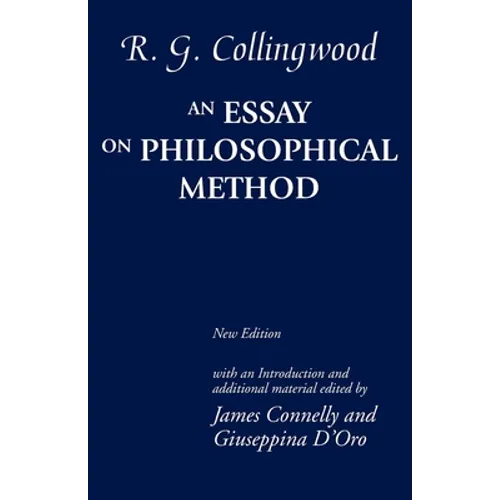
by R. G. Collingwood (Author), James Connelly (Editor), Giuseppina D'Oro (Editor)
An Essay on Philosophical Method contains the most sustained discussion in the twentieth century of the subject matter and method of philosophy and an unparalleled explanation of why philosophy has a distinctive domain of enquiry that differs from that of the sciences of nature. This new edition of the Essay focuses on Collingwood's contribution to metaphilosophy and locates his argument for the autonomy of philosophy against the twentieth century trend to naturalize its subject matter. Collingwood argues that the distinctions which philosophers make, for example, between the concepts of duty and utility in moral philosophy, or between the concepts of mind and body in the philosophy of mind, are not empirical taxonomies that cut nature at the joints but semantic distinctions to which there may correspond no empirical classes. This identification of philosophical distinctions with semantic distinctions provides the basis for an argument against the naturalization of the subject matter of philosophy for it entails that not all concepts are empirical concepts and not all classifications are empirical classifications. Collingwood's explanation of why philosophy has a distinctive subject matter thus constitutes a clear challenge to the project of radical empiricism.
Author Biography
James Connelly is Professor of Political Thought at Southampton Solent University Giuseppina is Senior Lecturer in Philosophy at Keele University



