


Product Description
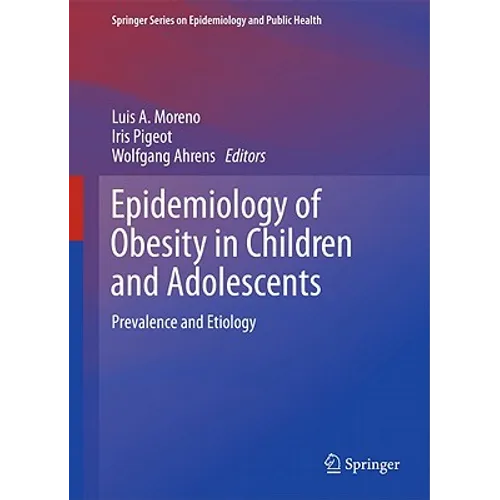
by Luis A. Moreno (Editor), Iris Pigeot (Editor), Wolfgang Ahrens (Editor)
Despite adults' best preventive efforts, childhood obesity is on the rise in most areas of the world, and with it the prevalence of Type 2 diabetes, hypertension, cardiovascular disease, and other formerly adult-onset conditions. Epidemiology of Obesity in Children and Adolescents takes the global ecological approach that is needed to understand the scope of the problem and its multiple causes and mechanisms, and to aid in developing more effective prevention and intervention programs. In the book's first half, experts present a descriptive summary of youth obesity trends in ten world regions, broken down by age group, gender, socioeconomic status, and risk factors. Complementing these findings, part two reviews the evidence base regarding the variables, separately and in combination, having the most significant impact on young people's development of obesity, including: - Genetic and nutrigenomic factors. - Environmental and psychosocial factors, such as family shopping and eating habits and access to healthful foods. - Neuroendocrine regulation. - Prenatal and neonatal factors (e.g., gestational diabetes of the mother). - Dietary factors, from nutrient content to young people's food preferences. - Physical activity versus sedentary behavior. Epidemiology of Obesity in Children and Adolescents is necessary reading for the range of professionals involved in curtailing this epidemic, including public health specialists, epidemiologists, pediatricians, nurses, nutritionists, psychologists, health educators, and policymakers.
Back Jacket
Epidemiology of Obesity in Children and Adolescents Luis Moreno, Iris Pigeot, and Wolfgang Ahrens, editors Despite adults' best preventive efforts, childhood obesity is on the rise in most areas of the world, and with it the prevalence of Type 2 diabetes, hypertension, cardiovascular disease, and other formerly adult-onset conditions. Epidemiology of Obesity in Children and Adolescents takes the global ecological approach that is needed to understand the scope of the problem and its multiple causes and mechanisms, and to aid in developing more effective prevention and intervention programs. In the book's first half, experts present a descriptive summary of youth obesity trends in ten world regions, broken down by age group, gender, socioeconomic status, and risk factors. Complementing these findings, part two reviews the evidence base regarding the variables, separately and in combination, having the most significant impact on young people's development of obesity, including: - Genetic and nutrigenomic factors. - Environmental and psychosocial factors, such as family shopping and eating habits and access to healthful foods. - Neuroendocrine regulation. - Prenatal and neonatal factors (e.g., gestational diabetes of the mother). - Dietary factors, from nutrient content to young people's food preferences. - Physical activity versus sedentary behavior. Epidemiology of Obesity in Children and Adolescents is necessary reading for the range of professionals involved in curtailing this epidemic, including public health specialists, epidemiologists, pediatricians, nurses, nutritionists, psychologists, health educators, and policymakers.
Author Biography
Luis Moreno Aznar is Professor in the School of Health Sciences at the University of Zaragoza, Spain.
Iris Pigeot is Professor in the Division of Biometry and Data Management at the University of Bremen, Germany.
Wolfgang Ahrens is Professor in the Division of Epidemiological Methods and Etiologic Research at the University of Bremen.



