Skip to content
Save 5% on your next order with code PREMIUM5!
100,000+ Products for Home, Medical, Office & Classroom Needs
Search
Skip to product information
1 of 1

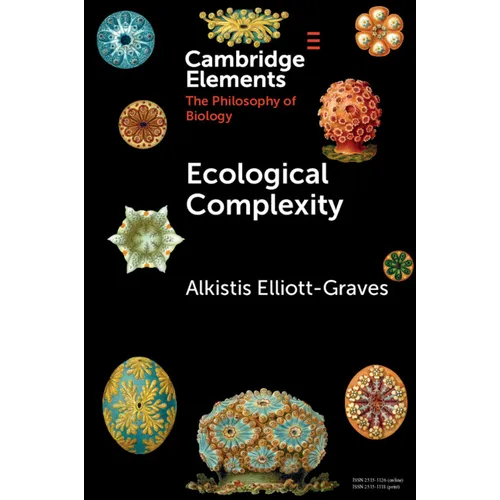
Ecological Complexity - Paperback

$38.25 USD
$38.25 USD
Sale Sold out
Shipping calculated at checkout.
In stock (100 units), ready to be shipped

Available Offers

Fast delivery available on most orders

Multiple secure payment options accepted

Secure checkout with
  • American Express
  • Apple Pay
  • Diners Club
  • Discover
  • Google Pay
  • Mastercard
  • PayPal
  • Shop Pay
  • Visa

Flight Range: Up to 1,000 meters (3,280 feet)

Maximum Speed: 45 kilometers per hour (28 miles per hour)

For all orders exceeding a value of 100USD shipping is offered for free.

Returns will be accepted for up to 10 days of Customer’s receipt or tracking number on unworn items. You, as a Customer, are obliged to inform us via email before you return the item.

Otherwise, standard shipping charges apply. Check out our delivery Terms & Conditions for more details.

View Product Details
Shopping cart
Product Product subtotal Quantity Price Product subtotal
Ecological Complexity - Paperback
$38.25/ea
$0.00
$38.25/ea $0.00

Product Description

by Alkistis Elliott-Graves (Author)

Complexity has received substantial attention from scientists and philosophers alike. There are numerous, often conflicting, accounts of how complexity should be defined and how it should be measured. Much less attention has been paid to the epistemic implications of complexity, especially in Ecology. How does the complex nature of ecological systems affect ecologists' ability to study them? This Element argues that ecological systems are complex in a rather special way: they are causally heterogeneous. Not only are they made up of many interacting parts, but their behaviour is variable across space or time. Causal heterogeneity is responsible for many of the epistemic difficulties that ecologists face, especially when making generalisations and predictions. Luckily, ecologists have the tools to overcome these difficulties, though these tools have historically been considered suspect by philosophers of science. The author presents an updated philosophical account with an optimistic outlook of the methods and status of ecological research.

Number of Pages: 75
Dimensions: 0.18 x 9 x 6 IN
Publication Date: August 10, 2023
you might like