Skip to content
Welcome To Our Store.
100,000+ Products for Home, Medical, Office & Classroom Needs
Search
Skip to product information
1 of 1

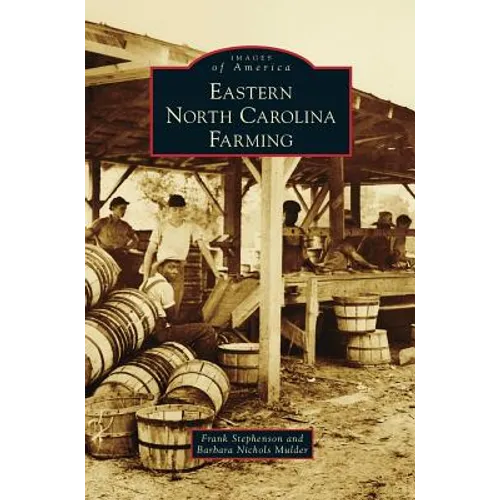
Eastern North Carolina Farming - Hardcover

$34.54 USD
$34.54 USD
Sale Sold out
Shipping calculated at checkout.
In stock (100 units), ready to be shipped

Available Offers

Fastest Delivery Tomorrow With Vip DealOrder within 1 hr 8 mins.

Instant 10% Discount On HDFC Banks Credit/Debit Cards EMI and CreditCard

Secure checkout with
  • American Express
  • Apple Pay
  • Diners Club
  • Discover
  • Google Pay
  • Mastercard
  • PayPal
  • Shop Pay
  • Visa

Flight Range: Up to 1,000 meters (3,280 feet)

Maximum Speed: 45 kilometers per hour (28 miles per hour)

For all orders exceeding a value of 100USD shipping is offered for free.

Returns will be accepted for up to 10 days of Customer’s receipt or tracking number on unworn items. You, as a Customer, are obliged to inform us via email before you return the item.

Otherwise, standard shipping charges apply. Check out our delivery Terms & Conditions for more details.

View Product Details
Shopping cart
Product Product subtotal Quantity Price Product subtotal
Eastern North Carolina Farming - Hardcover
$34.54/ea
$0.00
$34.54/ea $0.00

Product Description

by Frank Stephenson (Author), Barbara Nichols Mulder (Author), E. Frank Stephenson (Author)

Settled as a maritime and agricultural colony, North Carolina's history has always been intertwined with agriculture and farming. After the Civil War, North Carolina became the nation's top grower of tobacco, and one of the country's largest tobacco companies--the American Tobacco Company--flourished from the huge quantities of Eastern North Carolina-grown tobacco that was purchased. With the growing success of cotton farming and other crops and livestock--including corn, peanuts, and hogs--the region was particularly rich in subsistence farming. Over the course of the 20th century, farming and agriculture went through tremendous change. The familiar landscape of cotton and tobacco began to shift and include more varied crops, such as soybeans and sweet potatoes. At the same time, hand tools were exchanged for tractors and combines. Eastern North Carolina Farming showcases the rich history of this agriculturally dynamic region while telling the individual stories of farmers who grew for families, markets, and distribution.


Number of Pages: 130
Dimensions: 0.38 x 9.61 x 6.69 IN
Publication Date: November 10, 2014
you might like
