Skip to content
Welcome To Our Store.
100,000+ Products for Home, Medical, Office & Classroom Needs
Search
Skip to product information
1 of 1

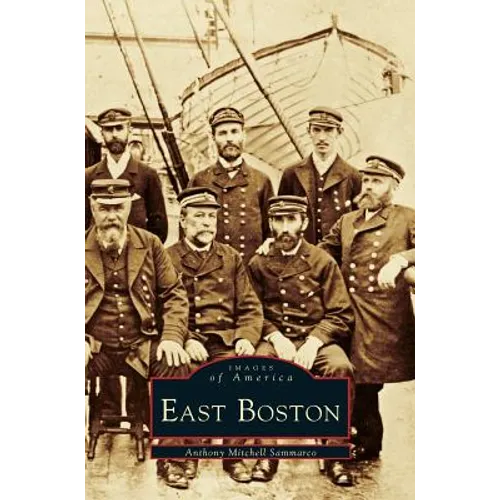
East Boston - Hardcover

$34.54 USD
$34.54 USD
Sale Sold out
Shipping calculated at checkout.
In stock (100 units), ready to be shipped

Available Offers

Fastest Delivery Tomorrow With Vip DealOrder within 1 hr 8 mins.

Instant 10% Discount On HDFC Banks Credit/Debit Cards EMI and CreditCard

Secure checkout with
  • American Express
  • Apple Pay
  • Diners Club
  • Discover
  • Google Pay
  • Mastercard
  • PayPal
  • Shop Pay
  • Visa

Flight Range: Up to 1,000 meters (3,280 feet)

Maximum Speed: 45 kilometers per hour (28 miles per hour)

For all orders exceeding a value of 100USD shipping is offered for free.

Returns will be accepted for up to 10 days of Customer’s receipt or tracking number on unworn items. You, as a Customer, are obliged to inform us via email before you return the item.

Otherwise, standard shipping charges apply. Check out our delivery Terms & Conditions for more details.

View Product Details
Shopping cart
Product Product subtotal Quantity Price Product subtotal
East Boston - Hardcover
$34.54/ea
$0.00
$34.54/ea $0.00

Product Description

by Anthony Mitchell Sammarco (Author), Anthony Mitchell Sammarco (Author)

Originally called Noodle's Island, East Boston was once comprised of five islands connected by marshland. Today, many people identify East Boston as the location of Logan International Airport, but it is really much more than that. From colonial times through the late twentieth century, the neighborhood of East Boston has experienced significant developments in the fields of city planning, transportation, and urban development. Until the nineteenth century, East Boston was a rural community whose land was used for grazing and firewood. The East Boston Company was incorporated by William Hyslop Sumner in 1833 to plan the residential and commercial growth of this Boston neighborhood. Connecting East Boston to the city were various modes of transportation including ferries, railroads, and an underground streetcar tunnel. In the 1920s, construction of the Boston Airport, later Logan International Airport, was begun.

Number of Pages: 130
Dimensions: 0.38 x 9.61 x 6.69 IN
Publication Date: June 01, 2004
you might like