Skip to content
Welcome To Our Store.
100,000+ Products for Home, Medical, Office & Classroom Needs
Search
Skip to product information
1 of 1

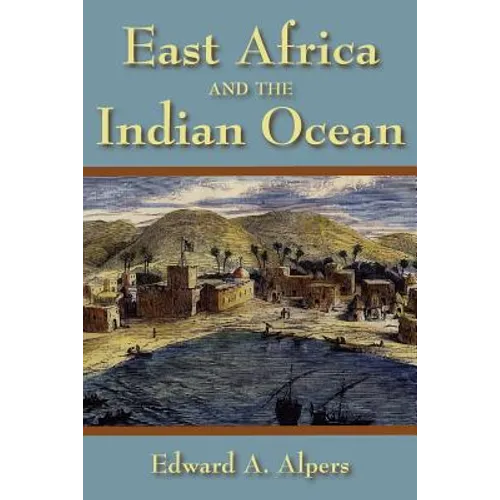
East Africa and the Indian Ocean - Paperback

$41.69 USD
$41.69 USD
Sale Sold out
Shipping calculated at checkout.
In stock (100 units), ready to be shipped

Available Offers

Fastest Delivery Tomorrow With Vip DealOrder within 1 hr 8 mins.

Instant 10% Discount On HDFC Banks Credit/Debit Cards EMI and CreditCard

Secure checkout with
  • American Express
  • Apple Pay
  • Diners Club
  • Discover
  • Google Pay
  • Mastercard
  • PayPal
  • Shop Pay
  • Visa

Flight Range: Up to 1,000 meters (3,280 feet)

Maximum Speed: 45 kilometers per hour (28 miles per hour)

For all orders exceeding a value of 100USD shipping is offered for free.

Returns will be accepted for up to 10 days of Customer’s receipt or tracking number on unworn items. You, as a Customer, are obliged to inform us via email before you return the item.

Otherwise, standard shipping charges apply. Check out our delivery Terms & Conditions for more details.

View Product Details
Shopping cart
Product Product subtotal Quantity Price Product subtotal
East Africa and the Indian Ocean - Paperback
$41.69/ea
$0.00
$41.69/ea $0.00

Product Description

by Edward a. Alpers (Author)

For centuries, East Africa has played a central role within the Indian Ocean world. The Arabs built the first trade networks there; these were laid siege to by the Portuguese in the sixteenth century, followed by British colonialists in the nineteenth century. An interregional trade linked different subregions of East Africa to other Indian Ocean economies. For example, Hindu merchants from Gujarat played a leading role in the ivory trade of East Africa during the past four centuries. In the nineteenth century, Zanzibar became a major center of the Asian slave trade. While slave trading, slave raiding, and their consequences provide one thematic focus of this book, the author also demonstrates that Indian Ocean commercial networks were much more complex in the range of products exchanged, including luxury goods and staple food items, as well as enforced labor. Islam provided yet another connective tissue linking East Africa to the Indian Ocean world and served as a cultural matrix through which popular beliefs and practices were transmitted. This book offers an eye-opening perspective on an often neglected area of world history.


Number of Pages: 256
Dimensions: 0.58 x 9 x 6 IN
Publication Date: March 24, 2009
you might like
