Product Description
by Dalton Fairbanks (Author)
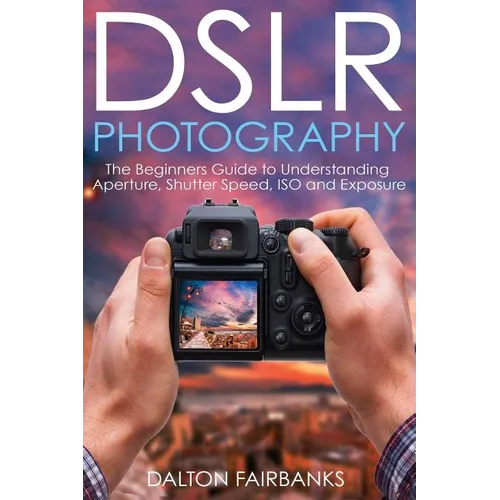
DSLR Photography
The Beginners Guide to Understanding Aperture, Shutter Speed, ISO and Exposure People bought more than 13 million interchangeable lens cameras in 2015. A big majority of those were Digital Single Lens Reflex cameras or "DSLRs." These versatile devices provide their owners with powerful picture making tools that can be adapted to meet their individual photographic needs and interests. Thanks to breakthroughs in digital technology, cameras are far easier to use than they were 30 years ago and far more capable as well. Features that were once only found in very expensive top of the line cameras can now be found in entry level DSLR Cameras. While many have fallen for the siren song of their smart phone cameras, people who want to produce memorable photographs have long realized that bigger really is better. As good as smart phone cameras have gotten, they still aren't capable of matching the digital photography a good DSLR can deliver. Interchangeable lens cameras also provide more problem solving options. A smart phone camera may be able to make decent images under perfect conditions, but when those conditions deteriorate, look out. DSLRs can capture images of things that smart phone cameras just can't. They also offer much better image quality than do smart phone cameras with their much, much smaller imaging sensors. This book provides an introduction to using DSLR cameras and explaining the basics of creating good exposures. If you've just purchased your first DSLR, or if you've been using one a while and want to improve your photography, you'll find the information in this book helpful. It's geared to those who don't have a lot of experience with photography and written in clear, plain English any beginner can follow. Among other things, you'll learn about the controls you'll use to control the amount of light entering the camera, how long the camera permits light to enter, and to adjust the camera's sensitivity to light. Once you've learned these controls and how to use them, it's all brought together for you in the chapter on how to properly expose an image. This is followed by how you can make better photographs by using the information in this book. Another important topic covered in this book is the importance of light and how to use it. While it's just the basics, it will give you enough of an introduction to really have a sense of why photographers go on and on about needing the "right" light. It includes a professional photographer's suggestions for how to set up your camera for a variety of shooting preferences and what you should prioritize depending on the subject you're photographing. You'll also learn the basics of effective photographic composition, so you can create better images from both a technical and an artistic perspective. And while it's easy for any discussion of photography to include assertions to invest in lots of expensive gear, you'll find lots of examples of ways you can improve your photos with inexpensive accessories, some of which you may already have.
Number of Pages: 68
Dimensions: 0.14 x 9.02 x 5.98 IN
Illustrated: Yes
Publication Date: November 25, 2016