Skip to content
Welcome To Our Store.
100,000+ Products for Home, Medical, Office & Classroom Needs
Search
Skip to product information
1 of 2

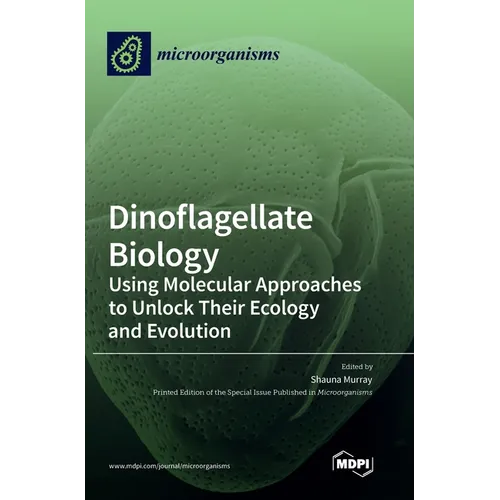
Dinoflagellate Biology: Using Molecular Approaches to Unlock Their Ecology and Evolution - Hardcover

$81.00 USD
$81.00 USD
Sale Sold out
Shipping calculated at checkout.
In stock (100 units), ready to be shipped

Available Offers

Fast delivery available on most orders

Multiple secure payment options accepted

Secure checkout with
  • American Express
  • Apple Pay
  • Diners Club
  • Discover
  • Google Pay
  • Mastercard
  • PayPal
  • Shop Pay
  • Visa

Flight Range: Up to 1,000 meters (3,280 feet)

Maximum Speed: 45 kilometers per hour (28 miles per hour)

For all orders exceeding a value of 100USD shipping is offered for free.

Returns will be accepted for up to 10 days of Customer’s receipt or tracking number on unworn items. You, as a Customer, are obliged to inform us via email before you return the item.

Otherwise, standard shipping charges apply. Check out our delivery Terms & Conditions for more details.

View Product Details
Shopping cart
Product Product subtotal Quantity Price Product subtotal
Dinoflagellate Biology: Using Molecular Approaches to Unlock Their Ecology and Evolution - Hardcover
$81.00/ea
$0.00
$81.00/ea $0.00

Product Description

by Shauna Murray (Guest Editor)

Dinoflagellates are an important group of aquatic microbial eukaryotes, showing great diversity in life histories, ecological niches, morphology, and pigment composition. They include species with photosynthetic, heterotrophic, symbiotic, mixotrophic, and parasitic lifestyles, and encompass coral symbionts, harmful algal bloom forming species, and important fish parasites. They are present in fossil records that date back several hundred million years. Dinoflagellates include the majority of species that produce marine biotoxins, impacting aquaculture. In recent years, molecular approaches have been applied to understand dinoflagellate biology, including techniques for studying dinoflagellate ecology, physiology, basic genetics, and evolution. This Special Issue, edited by Professor Shauna Murray, is dedicated to the application and development of molecular approaches for enhancing our understanding of dinoflagellate biology.


Number of Pages: 150
Dimensions: 0.56 x 9.61 x 6.69 IN
Publication Date: January 06, 2023
you might like
