Product Description
by Christian Olaf Christiansen (Author)
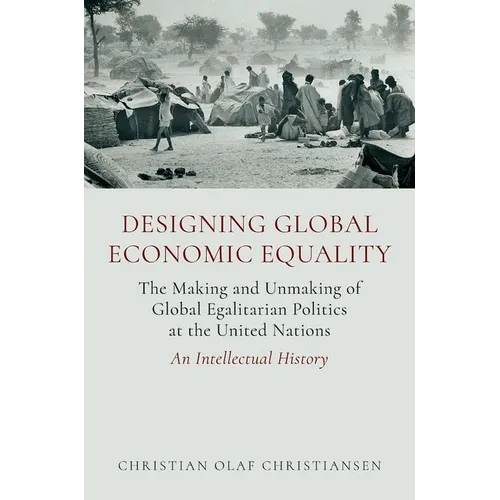
Designing Global Economic Equality is an intellectual history of global inequality: a story of the rise and fall of ideas for global egalitarian politics, or global equality by design. Tracing the writings of United Nations thinkers and their intellectual environments, it contributes to historiographies on inequality, the UN, development, international relations theory, business in society, and neoliberalism. Drawing on sources from development economics, political science, and international relations to UN reports, newspaper articles, management literature, and interviews with contemporary UN experts, it investigates how vocabularies of global inequality shifted over time.
The book finds that from the 1940s onward, global economic inequality remained a persistent theme. Global egalitarians not only championed equality norms but also concrete instruments-especially development, redistribution, and restructuring-while remaining critical of both global economic hierarchies and the belief that markets alone would ensure equality. The 1970s marked the high point of efforts to design a global equality regime, only to see these hopes dismantled in the early 1980s with the rise of neoliberal globalization. By the late 1990s, the failure of these policies paved the way for "inclusive capitalism," a depoliticized approach to inequality. Yet global egalitarian ideas endured, and the UN continued to produce inequality statistics, set global norms, and foster international dialogue. In the wake of the 2007-2008 crises, as inequality debates re-emerged with force, familiar themes and warnings resurfaced. Offering a history of widening gaps and efforts to close them, this book tells a story from which we may still learn.Author Biography
Christian Olaf Christiansen is Professor of Intellectual History at Aarhus University. His research brings historical perspective to urgent issues like the role of business in American society, human rights, and poverty reduction at the United Nations. In recent years, he has shifted focus from a Western viewpoint to a more global history of ideas. He has twice received Denmark's prestigious Sapere Aude grant and his work has been acclaimed in the 2019 UN Human Development Report and by leading economists.