Skip to content
Save 5% on your next order with code PREMIUM5!
100,000+ Products for Home, Medical, Office & Classroom Needs
Search
Skip to product information
1 of 1

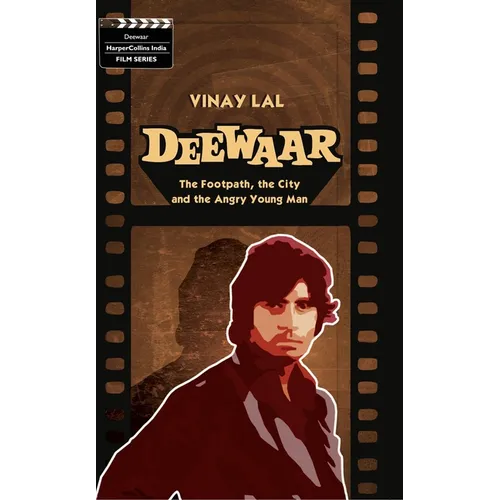
Deewar: The Foothpath, The City And The Angry Young Man - Paperback

$12.96 USD
$12.96 USD
Sale Sold out
Shipping calculated at checkout.

Available Offers

Fast delivery available on most orders

Multiple secure payment options accepted

Secure checkout with
  • American Express
  • Apple Pay
  • Diners Club
  • Discover
  • Google Pay
  • Mastercard
  • PayPal
  • Shop Pay
  • Visa

Flight Range: Up to 1,000 meters (3,280 feet)

Maximum Speed: 45 kilometers per hour (28 miles per hour)

For all orders exceeding a value of 100USD shipping is offered for free.

Returns will be accepted for up to 10 days of Customer’s receipt or tracking number on unworn items. You, as a Customer, are obliged to inform us via email before you return the item.

Otherwise, standard shipping charges apply. Check out our delivery Terms & Conditions for more details.

View Product Details
Shopping cart
Product Product subtotal Quantity Price Product subtotal
Deewar: The Foothpath, The City And The Angry Young Man - Paperback
$12.96/ea
$0.00
Sold out
$12.96/ea $0.00

Product Description

by Vinay Lal (Author)

Yash Chopra's 1975 film, Deewaar, one of the most iconic and influential works of superstar Amitabh Bachchan, has been (to borrow a line from the film itself) the 'lambi race ka ghoda', enjoying a nearly unrivalled popularity in the long history of Hindi cinema. Its remarkable plot, crisp dialogues and epic narrative structure, revolving around the familiar story of two brothers whose paths diverge and lead to a fatal collision, have endeared it to millions. And its most famous line, 'Mere paas ma hai', has been endlessly imitated, parodied and referenced in cinematic and cultural works. However, as Vinay Lal demonstrates in his study of Deewaar, the film lends itself to much more complex readings than is commonly imagined. Examining it in the context of the history of Hindi cinema, the migrations from the hinterland to the city, and the political and socio-economic climate of the early 1970s, he draws attention to Deewaar's dialectic of the footpath and skyscraper, the mesmerizing presence of the tattoo, the frequent appearance of the signature and the film's deep structuring in mythic material. In doing so, he assesses Deewaar's unique space in popular Indian culture as much as world cinema.


Number of Pages: 208
Dimensions: 0.52 x 7 x 4.37 IN
Publication Date: December 28, 2010
you might like
