Skip to content
Welcome To Our Store.
100,000+ Products for Home, Medical, Office & Classroom Needs
Search
Skip to product information
1 of 1

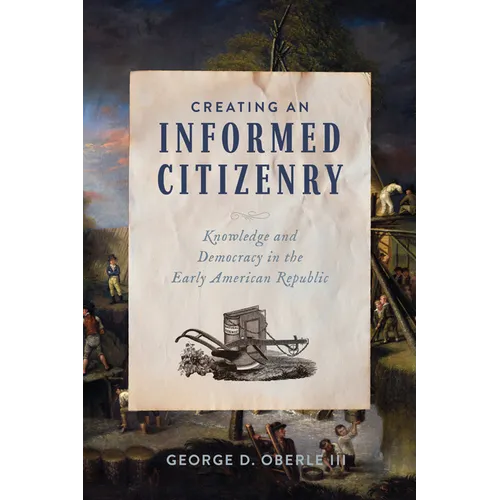
Creating an Informed Citizenry: Knowledge and Democracy in the Early American Republic - Paperback

$63.00 USD
$63.00 USD
Sale Sold out
Shipping calculated at checkout.
In stock (100 units), ready to be shipped

Available Offers

Fastest Delivery Tomorrow With Vip DealOrder within 1 hr 8 mins.

Instant 10% Discount On HDFC Banks Credit/Debit Cards EMI and CreditCard

Secure checkout with
  • American Express
  • Apple Pay
  • Diners Club
  • Discover
  • Google Pay
  • Mastercard
  • PayPal
  • Shop Pay
  • Visa
  • Daily deals
  • Return policy
  • Payment method
  • Help center 24/7

Flight Range: Up to 1,000 meters (3,280 feet)

Maximum Speed: 45 kilometers per hour (28 miles per hour)

For all orders exceeding a value of 100USD shipping is offered for free.

Returns will be accepted for up to 10 days of Customer’s receipt or tracking number on unworn items. You, as a Customer, are obliged to inform us via email before you return the item.

Otherwise, standard shipping charges apply. Check out our delivery Terms & Conditions for more details.

View Product Details
Shopping cart
Product Product subtotal Quantity Price Product subtotal
Creating an Informed Citizenry: Knowledge and Democracy in the Early American Republic - Paperback
$63.00/ea
$0.00
$63.00/ea $0.00

Product Description

by George D. III Oberle (Author)

Examining the early debates in the United States over how best to educate the constituents of the new nation


When the founding fathers of the United States inaugurated a system of government that was unprecedented in the modern world, they knew that a functioning democracy required an educated electorate capable of making rational decisions. But who would validate the information that influenced citizens' opinions? By spotlighting various institutions of learning, George Oberle provides a comprehensive look at how knowledge was created, circulated, and consumed in the early American republic.


Many of the founders, including George Washington, initially favored the creation of a centralized national university to educate Americans from all backgrounds. Over the first half of the nineteenth century, however, politicians moved away from any notion of publicly educated laypeople generating useful knowledge. The federal government ultimately founded the Smithsonian Institution in Washington, DC, to be run by experts only. Oberle's insightful analysis of the competing ideas over the nature of education offers food for thought as we continue to grapple with a rapidly evolving media landscape amid contested meanings of knowledge, expertise, and the obligations of citizenship.

Author Biography

George D. Oberle III is History Librarian, Associate Term Professor, and the Director of the Center for Mason Legacies at George Mason University.

Number of Pages: 252
Dimensions: 0.57 x 9 x 6 IN
Publication Date: December 30, 2025

you might like