Product Description
by Andrew Skotnicki (Author)
The Cincinnati Penal Congress of 1870 ushered in the era of "progressive" penology: the use of statistical and social scientific methodologies, commitment to psychiatric and therapeutic interventions, and a new innovation--the reformatory--as the locus for the application of these initiatives. The prisoner was now seen as a specimen to be analyzed, treated, and properly socialized into the triumphal current of American social and economic life. The Progressive rehabilitative initiatives succumbed in the 1970s to withering criticism from the proponents of equally futile strategies for addressing "the crime problem" retribution, deterrence, and selective incapacitation.
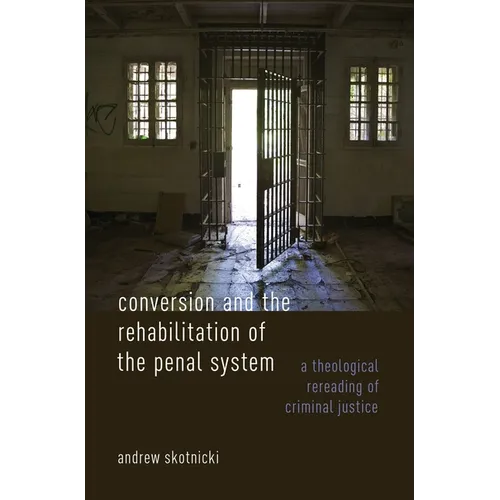
The early Christian community developed a methodology for correcting human error that featured the unprecedented belief that a period of time spent in a given penitential locale, with the aid and encouragement of the community, was sufficient in and of itself to heal the alienation and self-loathing caused by sin and to lead an individual to full reincorporation into the community. The "correctional" practice was based upon the conviction that cooperative sociability--or conversion--is possible, regardless of the specific offense, without any need to inflict suffering, or to use the act of punishment as a warning to potential offenders, or to undertake programmatic interventions into the lives of the incarcerated for the purpose of rehabilitating them. Andrew Skotnicki contends that the modern practice of criminal detention is a protracted exercise in needless violence predicated upon two foundational errors. The first is an inability to see the imprisoned as human beings fully capable of responding to an affirmative accompaniment rather than maltreatment and invasive forms of therapy. The second is a pervasive dualism that constructs a barrier between detainees and those empowered to supervise, rehabilitate, and punish them. In this book, Skotnicki argues that the criminal justice system can only be rehabilitated by eliminating punishment and policies based upon deterrence, rehabilitation, and the incapacitation of the urban poor and returning to the original justification for the practice of confinement: conversion.Author Biography
Andrew Skotnicki teaches theological and criminological ethics at Manhattan College in New York City. He has published widely on the theological and ethical implications of criminal justice. He is the founder and director of the E3MC program (Engaging, Educating, Empowering Means Change), a partnership between Manhattan College and the New York City Department of Corrections.