Skip to content
Welcome To Our Store.
100,000+ Products for Home, Medical, Office & Classroom Needs
Search
Skip to product information
1 of 1

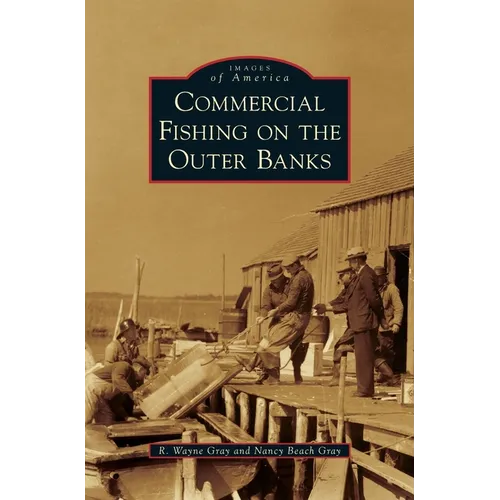
Commercial Fishing on the Outer Banks - Hardcover

$34.54 USD
$34.54 USD
Sale Sold out
Shipping calculated at checkout.
In stock (100 units), ready to be shipped

Available Offers

Fastest Delivery Tomorrow With Vip DealOrder within 1 hr 8 mins.

Instant 10% Discount On HDFC Banks Credit/Debit Cards EMI and CreditCard

Secure checkout with
  • American Express
  • Apple Pay
  • Diners Club
  • Discover
  • Google Pay
  • Mastercard
  • PayPal
  • Shop Pay
  • Visa

Flight Range: Up to 1,000 meters (3,280 feet)

Maximum Speed: 45 kilometers per hour (28 miles per hour)

For all orders exceeding a value of 100USD shipping is offered for free.

Returns will be accepted for up to 10 days of Customer’s receipt or tracking number on unworn items. You, as a Customer, are obliged to inform us via email before you return the item.

Otherwise, standard shipping charges apply. Check out our delivery Terms & Conditions for more details.

View Product Details
Shopping cart
Product Product subtotal Quantity Price Product subtotal
Commercial Fishing on the Outer Banks - Hardcover
$34.54/ea
$0.00
$34.54/ea $0.00

Product Description

by R. Wayne Gray (Author), Nancy Beach Gray (Author)

Fishing on the Outer Banks for subsistence began over 1,000 years ago with the Algonquin Indians, who made their summer camps on the islands. They came for the seafood and learned how to fish for various species during each season. Some of their fishing methods are still used by local watermen. The early settlers to the area were also fishers for sustenance. It was not until the Civil War, however, when they became commercial fishermen. Historic shad runs combined with the building of infrastructure such as an ice plant, roads, and bridges finally made possible the exportation of their catches to northern markets. In the 1950s, tourists started trickling in, and restaurants began dotting the landscape, promoting the consumption of fresh seafood. Today, in an economy ruled by tourism, fishing for profit still plays a strong role. What began in the 1660s with a shipment of 80 barrels of whale oil has continued to the present with internationally coveted catches of bluefin tuna. Although the fishing industry is threatened today as never before, commercial fishermen will continue to develop new markets and fight for their livelihoods.


Number of Pages: 130
Dimensions: 0.38 x 9.61 x 6.69 IN
Publication Date: June 10, 2019
you might like
