Skip to content
Welcome To Our Store.
100,000+ Products for Home, Medical, Office & Classroom Needs
Search
Skip to product information
1 of 1

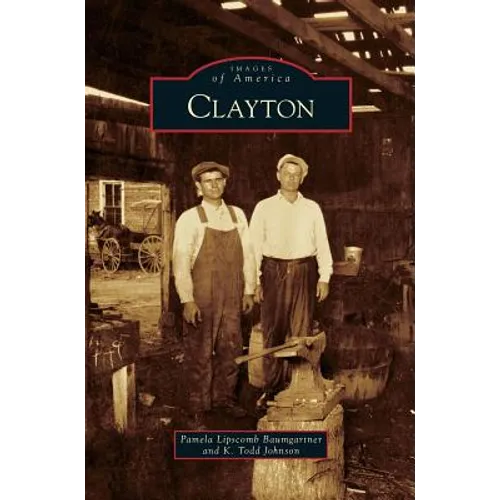
Clayton - Hardcover

$34.54 USD
$34.54 USD
Sale Sold out
Shipping calculated at checkout.
In stock (100 units), ready to be shipped

Available Offers

Fastest Delivery Tomorrow With Vip DealOrder within 1 hr 8 mins.

Instant 10% Discount On HDFC Banks Credit/Debit Cards EMI and CreditCard

Secure checkout with
  • American Express
  • Apple Pay
  • Diners Club
  • Discover
  • Google Pay
  • Mastercard
  • PayPal
  • Shop Pay
  • Visa

Flight Range: Up to 1,000 meters (3,280 feet)

Maximum Speed: 45 kilometers per hour (28 miles per hour)

For all orders exceeding a value of 100USD shipping is offered for free.

Returns will be accepted for up to 10 days of Customer’s receipt or tracking number on unworn items. You, as a Customer, are obliged to inform us via email before you return the item.

Otherwise, standard shipping charges apply. Check out our delivery Terms & Conditions for more details.

View Product Details
Shopping cart
Product Product subtotal Quantity Price Product subtotal
Clayton - Hardcover
Clayton - Hardcover
Clayton - Hardcover
$34.54/ea
$0.00
$34.54/ea $0.00

Product Description

by Pamela Lipscomb Baumgartner (Author), K. Todd Johnson (Author)

Chartered in 1869, Clayton traces its roots to Hinton's Quarter, Johnston Liberty Meeting House, Roxboro, Gulley's Store, and Stallings Station, and owes its existence to the North Carolina Railroad, completed in 1856. By 1890, several citizens amassed fortunes in cotton, lumber, merchandising, and textile manufacturing, and the town was recognized as the nation's wealthiest municipality of its size. Nationally and internationally known natives, including Dartmouth professor Herman H. Horne, historian and diplomat William E. Dodd, Baptist stalwart John E. White, architect Douglas Ellington, and pioneer aviator Eric Ellington, gave the town additional notoriety in the early 20th century. This glimpse into Clayton from the 1850s to 1946 introduces those who transformed a rural hamlet into America's "richest little town." When economic depression wiped out fortunes in the 1920s and 1930s, the town's greatest assets--strong families, churches, schools, and community spirit--remained intact.


Number of Pages: 130
Dimensions: 0.38 x 9.61 x 6.69 IN
Publication Date: October 01, 2008
you might like
