


Product Description
by Charles River (Author)
*Includes pictures
*Includes accounts of the accidents by survivors, workers, and residents
*Includes bibliographies for further reading
Uranium is best known for the destructive power of the atom bombs, which ushered in the nuclear era at the end of World War II, but given the effectiveness of nuclear power, plants like those at Three Mile Island in Pennsylvania were constructed to generate energy for Americans during the second half of the 20th century. While nuclear power plants were previously not an option and thus opened the door to new, more efficient, and more affordable forms of energy for domestic consumption, the use of nuclear energy understandably unnerved people living during the Cold War and amidst ongoing nuclear detonations. After all, the damage wrought on Hiroshima and Nagasaki made clear to everyone what nuclear energy was capable of inflicting, and the health problems encountered by people exposed to the radiation also demonstrated the horrific side effects that could come with the use of nuclear weapons or the inability to harness the technology properly.
Thus, it seemed that everyone's worst fears were realized on March 28, 1979 when the nuclear plant at Three Mile Island suffered a partial meltdown. Since it occurred years before Russia's Chernobyl disaster took place, the accident, a combination of mechanical and management failures, was at the time the worst civilian nuclear disaster yet, and the predictions of its consequences were dire. Given the release of radioactive material, nearby residents feared for their lives, and the nature of the radioactive contamination meant it would take nearly 15 years and $1 billion to fully clean up after the disaster. Fortunately, the human cost was eventually ruled insignificant, but the scare forced the implementation of new regulations in an effort to ensure the use of nuclear energy was safer. As a result, Three Mile Island, while still well-known among Americans today, remains more of a caution tale than a tragedy.
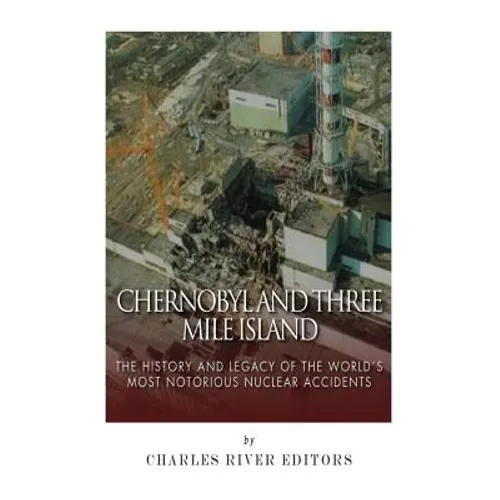
As bad as it was, Three Mile Island paled in comparison to Chernobyl, which to this day remains the most notorious nuclear accident in history. Located in the Ukraine, the Chernobyl power plant was undergoing experiments in the early morning hours of April 26, 1986 when it suffered a series of explosions in one of its nuclear reactors, killing over 30 people at the plant and spread radioactive fallout across a wide swath of the Soviet Union. Although the Soviets would try to cover up just how disastrous the accident at Chernobyl was, it was impossible to hide the full extent of the damage given that radioactive material was affecting Western Europe as well. All told, the accident caused an estimated $18 billion in damages, forced the evacuation of everybody nearby, and continues to produce adverse health effects that are still being felt in the region.
As with Three Mile before it, Chernobyl emphatically demonstrated the dangers of nuclear power plants, and it brought about new regulations across the world in an effort to make the use of nuclear energy safer. Meanwhile, scientists and scholars are still studying the effects of the radiation on people exposed to it and continue to come up with estimates of just how deadly Chernobyl will wind up being.
Chernobyl and Three Mile Island chronicles the worst nuclear accident in history and the aftermath of the accident. Along with pictures and a bibliography, you will learn about Chernobyl like never before.



