


Product Description
by C. Joan Baker (Author)
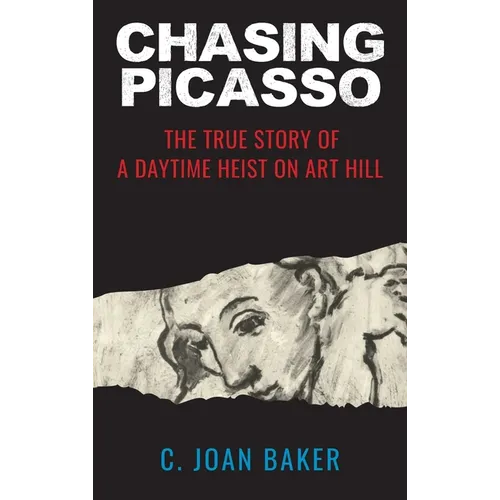
In Chasing Picasso: A True Story of A Daytime Heist on Art Hill, the author unveils the mysterious history and disappearance of a small Picasso painting from the Saint Louis Art Museum in 1973. The 1906 Rose Period oil painting has not been seen since it disappeared in a clandestine daytime theft under the watch of museum guards. The painting and the heist would have been forgotten altogether if it weren't perhaps for one curious author, C. Joan Baker. A quest she hopes ends with the Picasso, nicknamed Nude, returning to the Saint Louis Art Museum.
Her story retraces the steps of the daytime heist to understand how someone could have pulled it off during visiting hours with no witnesses. Like the painting, the heist maintained a low profile over the last fifty years. She realized the painting was left off the FBI's stolen art database, a national file established in 1978. Any investigative case files from local and federal agencies involving the theft have been routinely purged, leaving no evidence behind.
She learns the mystery of Nude didn't begin when it disappeared. The painting should have been featured in the earliest authorized catalog (1932) documenting Picasso's artwork of his Rose Period, yet it wasn't. In fact, the painting didn't appear in the Picasso-authorized catalog until a 1970 supplement. The catalog offered no ownership history beyond the museum's possession.
The institution acquired the painting from an undisclosed seller in 1934, just a year after Hitler began purging modern art from Europe. The author explores the path of Nazi-looted art to America, looking at the possibility that Nude could have been confiscated from a Jewish art dealer in 1933. Perhaps it would have something to do with its quiet disappearance in 1973.
However, more than one compelling reason existed for stealing a Picasso on April 11, 1973. The museum robbery occurred only three days after Picasso died, possibly a crime of artistic passion. Art was considered a national currency, and its values had exploded wildly by the late 1950s. Organized crime began to steal art and move it around its network to launder money and use it to buy narcotics.
After Nude disappeared, thieves continued to steal art in St. Louis, at least until 1978. The thefts that followed were not as quiet. Two different heists led to sensational headlines, one involving a Hollywood legend and the other, a notorious assassination. Using the Freedom of Information Act, court files, and other government documents, the stories might reveal the most likely motive behind the stolen Picasso.
Bringing the story to the public became the best opportunity to recover a painting worth millions. Because most people had never heard of the heist, the painting could have been hiding in plain sight for decades. The author concludes with the possibility of recovery and what to do if it is found.



