Skip to content
Welcome To Our Store.
100,000+ Products for Home, Medical, Office & Classroom Needs
Search
Skip to product information
1 of 1

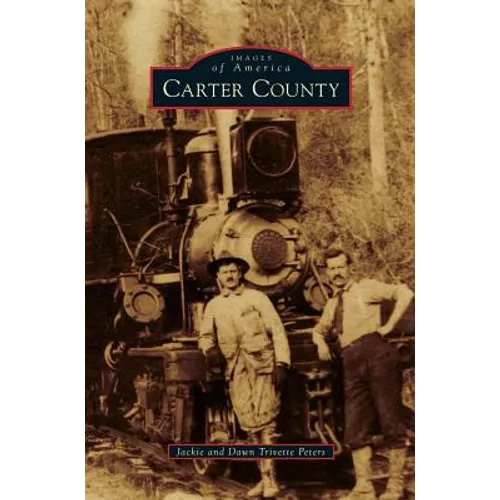
Carter County - Hardcover

$34.54 USD
$34.54 USD
Sale Sold out
Shipping calculated at checkout.
In stock (100 units), ready to be shipped

Available Offers

Fastest Delivery Tomorrow With Vip DealOrder within 1 hr 8 mins.

Instant 10% Discount On HDFC Banks Credit/Debit Cards EMI and CreditCard

Secure checkout with
  • American Express
  • Apple Pay
  • Diners Club
  • Discover
  • Google Pay
  • Mastercard
  • PayPal
  • Shop Pay
  • Visa

Flight Range: Up to 1,000 meters (3,280 feet)

Maximum Speed: 45 kilometers per hour (28 miles per hour)

For all orders exceeding a value of 100USD shipping is offered for free.

Returns will be accepted for up to 10 days of Customer’s receipt or tracking number on unworn items. You, as a Customer, are obliged to inform us via email before you return the item.

Otherwise, standard shipping charges apply. Check out our delivery Terms & Conditions for more details.

View Product Details
Shopping cart
Product Product subtotal Quantity Price Product subtotal
Carter County - Hardcover
$34.54/ea
$0.00
$34.54/ea $0.00

Product Description

by Jackie Peters (Author), Dawn Trivette Peters (Author)

In the 1760s, the first Europeans crossed the Blue Ridge Mountains from North Carolina and down the Valley of Virginia into the area that today comprises Carter County, Tennessee. They illegally settled the fertile bottomlands, already cleared by Native Americans, along the banks of Watauga River where Elizabethton is now situated. This was in direct defiance of British law forbidding settlements west of the Appalachian Mountains. The settlers became known as the "Overmountain Men." In 1775, they obtained clear title to the Indian land they had illegally occupied for years. Carter County was
established in 1796 from Washington District, North Carolina. Early residents relied on natural resources for food and employment, and the mountains and streams supplied an abundance of wild game for hunters and trappers. Throughout the l800s, iron ore was mined, and furnaces operated along watercourses. Throughout the early 1900s, lumber companies offered logging and sawmill jobs, and in the 1920s, two huge textile mills began operating in Elizabethton, bringing Carter County into the industrial age.


Number of Pages: 130
Dimensions: 0.38 x 9.61 x 6.69 IN
Publication Date: September 10, 2012
you might like
