Skip to content
Welcome To Our Store.
100,000+ Products for Home, Medical, Office & Classroom Needs
Search
Skip to product information
1 of 1

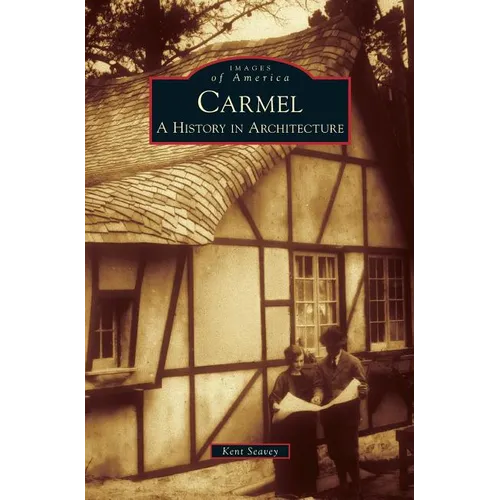
Carmel: A History in Architecture - Hardcover

$34.54 USD
$34.54 USD
Sale Sold out
Shipping calculated at checkout.
In stock (100 units), ready to be shipped

Available Offers

Fastest Delivery Tomorrow With Vip DealOrder within 1 hr 8 mins.

Instant 10% Discount On HDFC Banks Credit/Debit Cards EMI and CreditCard

Secure checkout with
  • American Express
  • Apple Pay
  • Diners Club
  • Discover
  • Google Pay
  • Mastercard
  • PayPal
  • Shop Pay
  • Visa

Flight Range: Up to 1,000 meters (3,280 feet)

Maximum Speed: 45 kilometers per hour (28 miles per hour)

For all orders exceeding a value of 100USD shipping is offered for free.

Returns will be accepted for up to 10 days of Customer’s receipt or tracking number on unworn items. You, as a Customer, are obliged to inform us via email before you return the item.

Otherwise, standard shipping charges apply. Check out our delivery Terms & Conditions for more details.

View Product Details
Shopping cart
Product Product subtotal Quantity Price Product subtotal
Carmel: A History in Architecture - Hardcover
$34.54/ea
$0.00
$34.54/ea $0.00

Product Description

by Kent Seavey (Author)

Carmel is a microcosm of California's architectural heritage, sited at one of the most scenic meetings of land and sea in the world. Mission San Carlos Borromeo became a root building for California's first regional building style, the Mission Revival. "Carmel City," as it was called in the 1880s, was marketed as a seaside resort for Catholics. Its pine-studded sand dunes survived the imposition of a standard American gridiron street pattern, with a Western, false-front main street, to become "Carmel-by-the-Sea." Artists, academics, and writers embraced the arts-and-crafts aesthetic of handcrafted homes built from native materials, informally sited in the landscape. In the mid-1920s, Tudor Revival and Spanish Romantic Revival styles enhanced the storybook quality of the community. Carmel's architectural character is primarily the product of working builders. Its design traditions have been interpreted and modified for modern times by noted architects, building designers, and craftsmen. Individual expression continues as an ongoing aesthetic theme.

Number of Pages: 130
Dimensions: 0.38 x 9.61 x 6.69 IN
Publication Date: October 01, 2007
you might like