Skip to content
Welcome To Our Store.
100,000+ Products for Home, Medical, Office & Classroom Needs
Search
Skip to product information
1 of 1

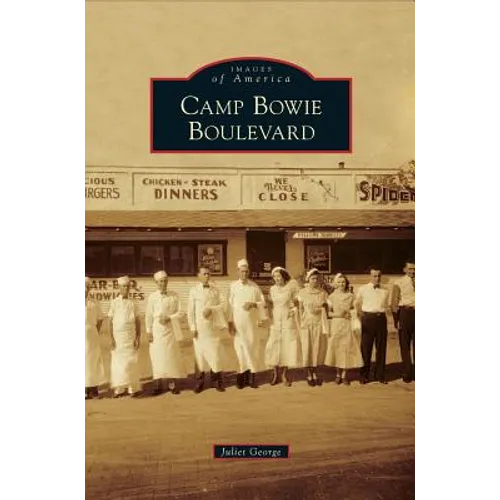
Camp Bowie Boulevard - Hardcover

$34.54 USD
$34.54 USD
Sale Sold out
Shipping calculated at checkout.
In stock (100 units), ready to be shipped

Available Offers

Fastest Delivery Tomorrow With Vip DealOrder within 1 hr 8 mins.

Instant 10% Discount On HDFC Banks Credit/Debit Cards EMI and CreditCard

Secure checkout with
  • American Express
  • Apple Pay
  • Diners Club
  • Discover
  • Google Pay
  • Mastercard
  • PayPal
  • Shop Pay
  • Visa

Flight Range: Up to 1,000 meters (3,280 feet)

Maximum Speed: 45 kilometers per hour (28 miles per hour)

For all orders exceeding a value of 100USD shipping is offered for free.

Returns will be accepted for up to 10 days of Customer’s receipt or tracking number on unworn items. You, as a Customer, are obliged to inform us via email before you return the item.

Otherwise, standard shipping charges apply. Check out our delivery Terms & Conditions for more details.

View Product Details
Shopping cart
Product Product subtotal Quantity Price Product subtotal
Camp Bowie Boulevard - Hardcover
$34.54/ea
$0.00
$34.54/ea $0.00

Product Description

by Juliet George (Author)

In the early 1890s, Humphrey Barker Chamberlin installed a lifeline to his namesake suburb west of the city. A trolley connected to Arlington Heights Boulevard at the Trinity River's Clear Fork and chugged across prairie land to reach Chamberlin Arlington Heights. Camp Bowie, a soldiers' city, sprawled over both sides of the road from 1917 until 1919. At the Great War's end, the stretch west of present-day University Drive became the commemorative Camp Bowie Boulevard. The 1920s brought twin ribbons of cordovan-colored brick pavement, the prestige of inclusion in the Bankhead Highway network, and westering developers of another elite village: Ridglea. Midway through the Great Depression, the Will Rogers complex arose on a farm tract, visible from the thoroughfare, to host Texas Centennial celebrations and a special livestock exposition. Museums began claiming adjacent space in the 1950s. By the second decade of the 21st century, Camp Bowie Boulevard bisected a built environment both modern and historic.

Number of Pages: 130
Dimensions: 0.38 x 9.61 x 6.69 IN
Publication Date: September 16, 2013
you might like
