


Product Description
by Lisa M. Corrigan (Author)
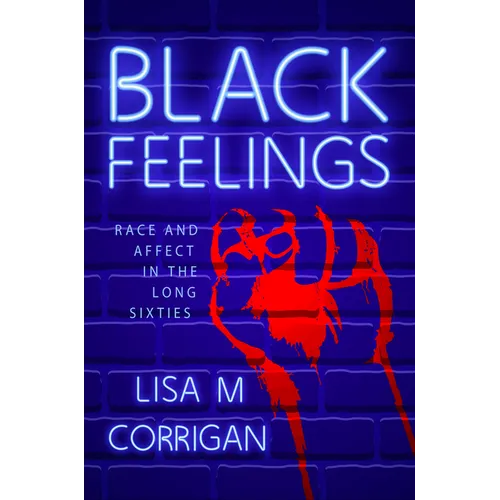
In the 1969 issue of Negro Digest, a young Black Arts Movement poet then-named Ameer (Amiri) Baraka published "We Are Our Feeling: The Black Aesthetic." Baraka's emphasis on the importance of feelings in black selfhood expressed a touchstone for how the black liberation movement grappled with emotions in response to the politics and racial violence of the era.
In her latest book, award-winning author Lisa M. Corrigan suggests that Black Power provided a significant repository for negative feelings, largely black pessimism, to resist the constant physical violence against black activists and the psychological strain of political disappointment. Corrigan asserts the emergence of Black Power as a discourse of black emotional invention in opposition to Kennedy-era white hope. As integration became the prevailing discourse of racial liberalism shaping mid-century discursive structures, so too, did racial feelings mold the biopolitical order of postmodern life in America.
By examining the discourses produced by Martin Luther King, Malcolm X, Stokely Carmichael, Huey Newton, Eldridge Cleaver, and other Black Power icons who were marshaling black feelings in the service of black political action, Corrigan traces how black liberation activists mobilized new emotional repertoires
Author Biography
Lisa M. Corrigan is associate professor of communication, director of the gender studies program, and affiliate faculty in African and African American studies and in Latin American and Latino studies at the University of Arkansas. She is author of the award-winning Prison Power: How Prison Influenced the Movement for Black Liberation, published by University Press of Mississippi.