Skip to content
Welcome To Our Store.
100,000+ Products for Home, Medical, Office & Classroom Needs
Search
Skip to product information
1 of 1

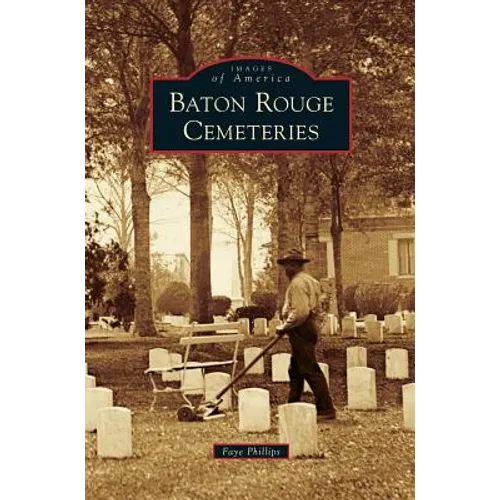
Baton Rouge Cemeteries - Hardcover

$34.54 USD
$34.54 USD
Sale Sold out
Shipping calculated at checkout.
In stock (100 units), ready to be shipped

Available Offers

Fastest Delivery Tomorrow With Vip DealOrder within 1 hr 8 mins.

Instant 10% Discount On HDFC Banks Credit/Debit Cards EMI and CreditCard

Secure checkout with
  • American Express
  • Apple Pay
  • Diners Club
  • Discover
  • Google Pay
  • Mastercard
  • PayPal
  • Shop Pay
  • Visa

Flight Range: Up to 1,000 meters (3,280 feet)

Maximum Speed: 45 kilometers per hour (28 miles per hour)

For all orders exceeding a value of 100USD shipping is offered for free.

Returns will be accepted for up to 10 days of Customer’s receipt or tracking number on unworn items. You, as a Customer, are obliged to inform us via email before you return the item.

Otherwise, standard shipping charges apply. Check out our delivery Terms & Conditions for more details.

View Product Details
Shopping cart
Product Product subtotal Quantity Price Product subtotal
Baton Rouge Cemeteries - Hardcover
$34.54/ea
$0.00
$34.54/ea $0.00

Product Description

by Faye Phillips (Author)

For many immigrants to Baton Rouge, being buried in the highlands of their European homes was a dream. Recognizing that this desire was unlikely to come to fruition, they christened the bluff above the Mississippi River south of the town as "Highland" and established Highland Cemetery in 1819. The military fort had a burial ground; churches established cemeteries; owners, family members, and slaves were buried on the plantations; towns offered municipal cemeteries and paupers' plots; and families distant from towns created family cemeteries.
Magnolia Cemetery was established for white citizens in 1852. Sweet Olive and the Lutheran Cemeteries were for free people of color and slaves. St. Joseph's Catholic Cemetery, established in 1826, did not discriminate on race but on religious affiliation, as did the Jewish cemetery. Civil War Union soldiers were separated from Confederates buried in Magnolia Cemetery and interred in the Baton Rouge National Cemetery. In 1921, Roselawn Park Cemetery represented the beginning of cemeteries as business. Beautiful statuary, elaborate tombstones and memorials, unique monuments to the departed, and lush gardens accentuate Baton Rouge's cities of the dead.


Number of Pages: 130
Dimensions: 0.38 x 9.61 x 6.69 IN
Publication Date: July 30, 2012
you might like
