Skip to content
Save 5% on your next order with code PREMIUM5!
100,000+ Products for Home, Medical, Office & Classroom Needs
Search
Skip to product information
1 of 1

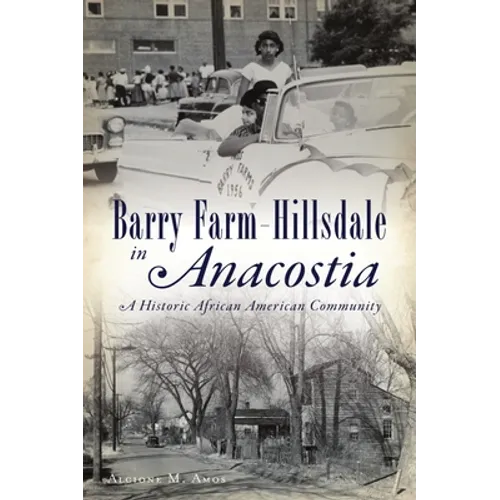
Barry Farm-Hillsdale in Anacostia: A Historic African American Community - Paperback

$23.99 USD
$23.99 USD
Sale Sold out
Shipping calculated at checkout.

Available Offers

Fast delivery available on most orders

Multiple secure payment options accepted

Secure checkout with
  • American Express
  • Apple Pay
  • Diners Club
  • Discover
  • Google Pay
  • Mastercard
  • PayPal
  • Shop Pay
  • Visa

Flight Range: Up to 1,000 meters (3,280 feet)

Maximum Speed: 45 kilometers per hour (28 miles per hour)

For all orders exceeding a value of 100USD shipping is offered for free.

Returns will be accepted for up to 10 days of Customer’s receipt or tracking number on unworn items. You, as a Customer, are obliged to inform us via email before you return the item.

Otherwise, standard shipping charges apply. Check out our delivery Terms & Conditions for more details.

View Product Details
Shopping cart
Product Product subtotal Quantity Price Product subtotal
Barry Farm-Hillsdale in Anacostia: A Historic African American Community - Paperback
$23.99/ea
$0.00
Sold out
$23.99/ea $0.00

Product Description

by Alcione M. Amos (Author)

Barry Farm-Hillsdale was created under the auspices of the Freedmen's Bureau in 1867 in what was then the outskirts of the nation's capital. Residents built churches and schools, and the community became successful. In the 1940s, youth from the community courageously desegregated the Anacostia Pool, and Barry Farm Dwellings was built to house war workers. In the 1950s, community parents joined the fight to desegregate schools in Washington, D.C., as local leaders fought off plans to redevelop the area. Both the women and the youth of Barry Farm Dwellings, then public housing, were at the forefront of the fight to improve their lives and those of their neighbors in the 1960s, but community identity was being subsumed into the larger Anacostia neighborhood. Curator and historian Alcione M. Amos tells these little-remembered stories.


Number of Pages: 224
Dimensions: 0.6 x 8.9 x 6 IN
Illustrated: Yes
Publication Date: January 04, 2021
you might like
