Skip to content
Welcome To Our Store.
100,000+ Products for Home, Medical, Office & Classroom Needs
Search
Skip to product information
1 of 1

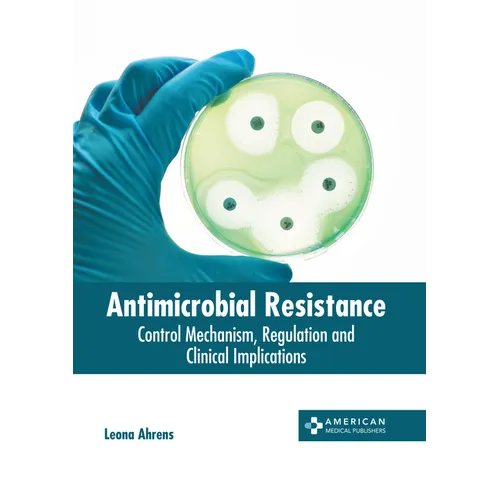
Antimicrobial Resistance: Control Mechanism, Regulation and Clinical Implications - Hardcover

$196.54
$196.54
Sale Sold out
Shipping calculated at checkout.
In stock (100 units), ready to be shipped

Available Offers

Fastest Delivery Tomorrow With Vip DealOrder within 1 hr 8 mins.

Instant 10% Discount On HDFC Banks Credit/Debit Cards EMI and CreditCard

Secure checkout with
  • American Express
  • Apple Pay
  • Diners Club
  • Discover
  • Google Pay
  • Mastercard
  • PayPal
  • Shop Pay
  • Visa

Flight Range: Up to 1,000 meters (3,280 feet)

Maximum Speed: 45 kilometers per hour (28 miles per hour)

For all orders exceeding a value of 100USD shipping is offered for free.

Returns will be accepted for up to 10 days of Customer’s receipt or tracking number on unworn items. You, as a Customer, are obliged to inform us via email before you return the item.

Otherwise, standard shipping charges apply. Check out our delivery Terms & Conditions for more details.

View Product Details
Shopping cart
Product Product subtotal Quantity Price Product subtotal
Antimicrobial Resistance: Control Mechanism, Regulation and Clinical Implications - Hardcover
$196.54/ea
$0.00
$196.54/ea $0.00

Product Description

by Leona Ahrens (Editor)

Antimicrobial resistance (AMR) refers to the decreased effectiveness of a medication, such as an antineoplastic or antimicrobial, to treat a disease or condition. Resistance among microbes is common due to random mutations. Drug resistance occurs when parasites, fungi, viruses and bacteria transform over time and they do not respond to the medications. The clinical implication of AMR is that it makes the treatment of infections difficult while simultaneously increasing the risk of spreading the diseases. This resistance may develop naturally through sustained exposure to antimicrobials. There are some specific antiviral drugs that are utilized for treating various viral infections, such as hepatitis B, influenza, HIV and herpes. These drugs stop the viruses from reproducing by blocking the key stages of replication cycle in infected cells. Some strains of each virus have developed resistance to the administered drugs. AMR can be prevented and controlled by the consumption of antibiotics only when they are required, modifying and inactivating a drug, and active efflux of a drug. This book elucidates the clinical aspects and innovative models around prospective developments in the study of antimicrobial resistance. It aims to serve as a resource guide for students and experts alike and contribute to the growth of research on the control mechanism, regulation and clinical implications of antimicrobial resistance.

Number of Pages: 250
Dimensions: 0.63 x 11 x 8.5 IN
Publication Date: September 19, 2023
you might like