Product Description
by Nancy Parish-Plass (Editor)
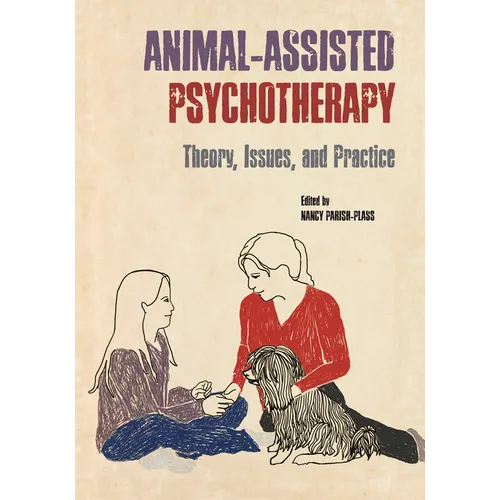
The integration of animals into the therapy setting by psychotherapists has been a growing trend. Psychological problems treated include emotional and behavioral problems, attachment issues, trauma, and developmental disorders. An influential 1970s survey suggests that over 20 percent of therapists in the psychotherapy division of the American Psychological Association incorporated animals into their treatment in some fashion. Anecdotal evidence suggests that the number is much higher today. Since Yeshiva University psychologist Boris Levinson popularized the involvement of animals in psychotherapy in the 1960s, Israel has come to be perhaps the most advanced country in the world in the area of animal-assisted psychotherapy (AAP). This is true especially in the areas of academic training programs, theory-building, and clinical practice. Great effort has been put into understanding the mechanisms behind AAP, as well as into developing ethical guidelines that take into account the therapist's responsibility toward both client and animal. This book exposes the world to the theory and practice of AAP as conceived and used in Israel. It emphasizes evidence-based and clinically sound applications with psychotherapeutic goals, as differentiated from other animal-assisted interventions, such as AAE (animal-assisted education) and AAA (animal-assisted activities), which may have education or skills-oriented goals. Not just anyone with a dog can call him-or herself an animal-assisted therapist. This volume demonstrates not only the promise of animal-assisted psychotherapeutic approaches, but also some of the challenges the field still needs to overcome to gain widespread legitimacy.
Author Biography
Nancy Parish-Plass studied psychology at Smith College and the University of Illinois at Urbana-Champaign, before working in early childhood education in Kibbutz children's houses in Israel. Later she received extensive training in animal-assisted psychotherapy (AAP) at the pioneering Oranim College and in advanced stdies in psychotherapy at the Machon Magid Hebrew University School of Psychotherapy for experienced therapists in the field of mental health. Parish-Plass is the founding and current chairperson of the Israeli Association of Animal-Assisted Psychotherapy, and she is spearheading the struggle for legal recognition of the field in the Israeli Knesset. Her specialty is in the area of animal-assisted psychotherapy with at-risk children, and she was most influenced in her professional development by memories of her relationship with her horse Baby Doll and her dog Tammy, as well as by all the children with whom she has worked.