Skip to content
Welcome To Our Store.
100,000+ Products for Home, Medical, Office & Classroom Needs
Search
Skip to product information
1 of 1

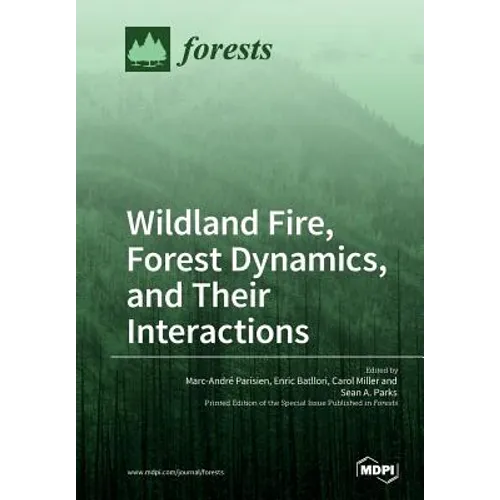
Wildland Fire, Forest Dynamics, and Their Interactions - Paperback

$123.23
$123.23
Sale Sold out
Shipping calculated at checkout.
In stock (100 units), ready to be shipped

Available Offers

Fastest Delivery Tomorrow With Vip DealOrder within 1 hr 8 mins.

Instant 10% Discount On HDFC Banks Credit/Debit Cards EMI and CreditCard

Secure checkout with
  • American Express
  • Apple Pay
  • Diners Club
  • Discover
  • Google Pay
  • Mastercard
  • PayPal
  • Shop Pay
  • Visa

Flight Range: Up to 1,000 meters (3,280 feet)

Maximum Speed: 45 kilometers per hour (28 miles per hour)

For all orders exceeding a value of 100USD shipping is offered for free.

Returns will be accepted for up to 10 days of Customer’s receipt or tracking number on unworn items. You, as a Customer, are obliged to inform us via email before you return the item.

Otherwise, standard shipping charges apply. Check out our delivery Terms & Conditions for more details.

View Product Details
Shopping cart
Product Product subtotal Quantity Price Product subtotal
Wildland Fire, Forest Dynamics, and Their Interactions - Paperback
$123.23/ea
$0.00
$123.23/ea $0.00

Product Description

by Marc-André Parisien (Guest Editor), Enric Batllori (Guest Editor), Sean a. Parks Carol Miller (Guest Editor)

Wildland fire is an important, pervasive, and a sometimes-destructive ecological process in many forest ecosystems across the globe. In some cases, wildland fire maintains and reinforces forest dynamics. This is common, for example, in forests with thick-barked species that are adapted to frequent, low-severity fires or in forests where species' regenerative traits (e.g., serotiny, resprouting) allow them to endure regimes of recurrent high-severity fire. However, wildland fire can also act as a catalyst that changes the successional trajectory of forest ecosystems, particularly if the factors responsible for historical fire regimes (e.g., frequency, severity, or season) have been substantially altered and exceed species' adaptive capacity. Examples of these situations include effects of extreme fire weather and drought, fuel buildup due to fire exclusion or insect-induced mortality, and interactions between these factors. Some of these situations may result in fire-induced conversions from forest to non-forest ecosystems.

Number of Pages: 340
Dimensions: 0.92 x 9.61 x 6.69 IN
Publication Date: July 19, 2018
you might like