What Really Happened to the 1960s: How Mass Media Culture Failed American Democracy - Paperback
Available Offers
Fastest Delivery Tomorrow With Vip DealOrder within 1 hr 8 mins.
Instant 10% Discount On HDFC Banks Credit/Debit Cards EMI and CreditCard
Couldn't load pickup availability
Product Details
Flight Range: Up to 1,000 meters (3,280 feet)
Maximum Speed: 45 kilometers per hour (28 miles per hour)
Shipping And Return
For all orders exceeding a value of 100USD shipping is offered for free.
Returns will be accepted for up to 10 days of Customer’s receipt or tracking number on unworn items. You, as a Customer, are obliged to inform us via email before you return the item.
Otherwise, standard shipping charges apply. Check out our delivery Terms & Conditions for more details.
Product Description
by Edward P. Morgan (Author)
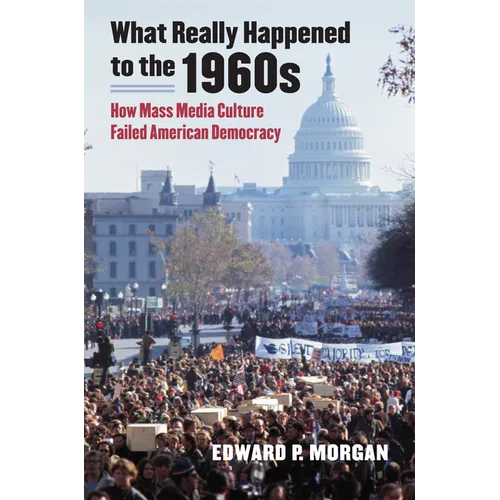
Wherever we turn these days, we encounter reminders of the sixties. They're invoked in presidential campaigns, American military actions, and outbursts of mass protest. We're bombarded with media-saturated anniversaries of iconic events, from JFK's inauguration (and assassination) to urban riots and Woodstock. But as Edward Morgan suggests, these references offer little more than an endless stream of distracting imagery that has more to do with today's politics and economics than with the reality of yesterday's social movements.
In his provocative look at mass media's connection with those turbulent years, Morgan simultaneously seeks to explain what happened in the 1960s and what happened to how we remember it. His comprehensive overview and critical analysis reveal how the mass media have shaped the popular image of a raucous decade in ways that have curtailed its promise of democracy. Morgan's in-depth study of sixties social movements and their depictions in corporate America's print media, film, and television helps to explain why the past still provokes deep emotions--even antagonism--half a century later. He blends history, sociology, political science, media and cultural studies, and critical theory to explain why the 1960s have been so virulently targeted, particularly by critics on the right who blame today's self-indulgent culture on baby boomers and "sixties permissiveness" instead of the real culprits: consumer-driven capitalism and neoliberal politics. Emphasizing the tensions between capitalism and democracy, Morgan investigates the fate of democracy in our media-driven culture, first by examining the ways that the 1960s were represented in the media at the time, then by exploring how popular versions of the sixties have glossed over their more radically democratic qualities in favor of sensationalism and ideological constructions. He reminds us of what really happened--then shows us how the media trivialized and satirized those events, co-opting and commercializing the decade's legacy and, in doing so, robbing it of its more radical, democratic potential. By revisiting this chapter of the past, Morgan shows that it has much to tell us about where we are today and how we got here. Whether you lived through the sixties or only read about them--or only saw Hollywood's version of them in Forrest Gump--this book will put their lessons in clearer perspective.