Skip to content
Welcome To Our Store.
100,000+ Products for Home, Medical, Office & Classroom Needs
Search
Skip to product information
1 of 2

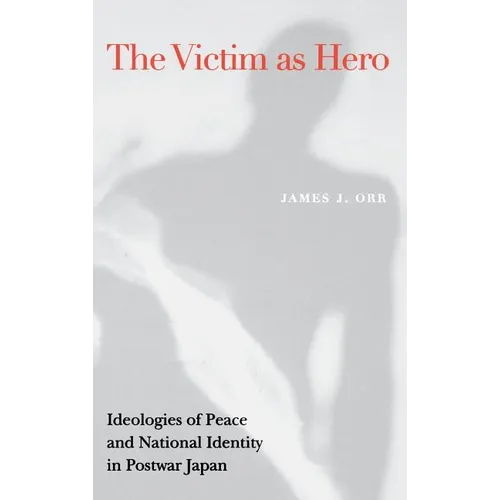
Victim as Hero: Ideologies of Peace and National Identity in Postwar Japan - Hardcover

$128.25 USD
$128.25 USD
Sale Sold out
Shipping calculated at checkout.
In stock (100 units), ready to be shipped

Available Offers

Fast delivery available on most orders

Multiple secure payment options accepted

Secure checkout with
  • American Express
  • Apple Pay
  • Diners Club
  • Discover
  • Google Pay
  • Mastercard
  • PayPal
  • Shop Pay
  • Visa

Flight Range: Up to 1,000 meters (3,280 feet)

Maximum Speed: 45 kilometers per hour (28 miles per hour)

For all orders exceeding a value of 100USD shipping is offered for free.

Returns will be accepted for up to 10 days of Customer’s receipt or tracking number on unworn items. You, as a Customer, are obliged to inform us via email before you return the item.

Otherwise, standard shipping charges apply. Check out our delivery Terms & Conditions for more details.

View Product Details
Shopping cart
Product Product subtotal Quantity Price Product subtotal
Victim as Hero: Ideologies of Peace and National Identity in Postwar Japan - Hardcover
$128.25/ea
$0.00
$128.25/ea $0.00

Product Description

by James J. Orr (Author)

This is the first systematic, historical inquiry into the emergence of "victim consciousness" (higaisha ishiki) as an essential component of Japanese pacifist national identity after World War II. In his meticulously crafted narrative and analysis, the author reveals how postwar Japanese elites and American occupying authorities collaborated to structure the parameters of remembrance of the war, including the notion that the emperor and his people had been betrayed and duped by militarists. He goes on to explain the Japanese reliance on victim consciousness through a discussion of the ban-the-bomb movement of the mid-1950s, which raised the prominence of Hiroshima as an archetype of war victimhood and brought about the selective focus on Japanese war victimhood; the political strategies of three self-defined war victim groups (A-bomb victims, repatriates, and dispossessed landlords) to gain state compensation and hence valorization of their war victim experiences; shifting textbook narratives that reflected contemporary attitudes and structured future generations' understanding of the war; and three classic antiwar novels and films that contributed to the shaping of a "sentimental humanism" that continues to leave a strong imprint on the collective Japanese conscience.


Number of Pages: 284
Dimensions: 0.69 x 9 x 6 IN
Publication Date: July 05, 2001
you might like
