Us Health Policy and Market Reforms: An Introduction - Paperback
Available Offers
Fastest Delivery Tomorrow With Vip DealOrder within 1 hr 8 mins.
Instant 10% Discount On HDFC Banks Credit/Debit Cards EMI and CreditCard
Couldn't load pickup availability
Product Details
Flight Range: Up to 1,000 meters (3,280 feet)
Maximum Speed: 45 kilometers per hour (28 miles per hour)
Shipping And Return
For all orders exceeding a value of 100USD shipping is offered for free.
Returns will be accepted for up to 10 days of Customer’s receipt or tracking number on unworn items. You, as a Customer, are obliged to inform us via email before you return the item.
Otherwise, standard shipping charges apply. Check out our delivery Terms & Conditions for more details.
Product Description
by James C. Capretta (Author)
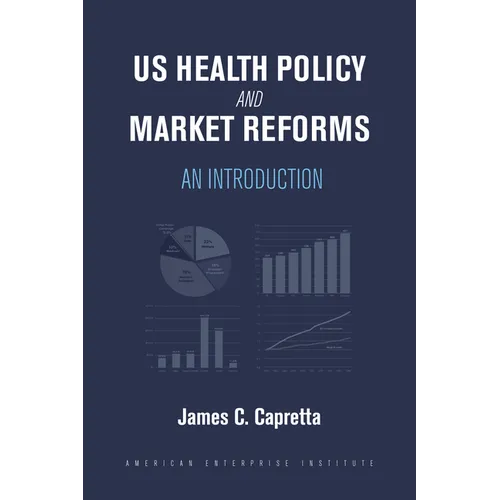
Health care has been a prominent topic in the US national political conversation for decades, with no end in sight. The status quo, even before the COVID-19 pandemic exposed flaws in the nation's public health system, has been too dysfunctional for the issue to fall far down the list of voter priorities. Among other things, a large segment of the US population remains uninsured, and the relentless annual increase in medical care costs in excess of income growth is placing increasing financial strain on households and governments. While these problems have fueled a strong desire for change, there is a divide over how to proceed, which has made reaching consensus elusive. Most Americans are familiar with the views advanced by one side of the debate. Medicare for All, which would have the federal government run a public insurance plan for the entire country, is the paradigmatic reform advanced by those who favor full governmental control. It and similar reforms have been discussed widely in recent years in high-profile political campaigns. The alternative-more reliance on market forces-is less well-known or understood, partly because there is less consensus among those who favor it on what it would entail. This volume attempts to describe in some detail one version of such a plan. It also explains the major features of current US health policy and the relevant history of how we arrived at this point, because the proposed reforms are best understood in relation to the incumbent system. In general terms, the recommended changes would inject more discipline and consumer choice into what already exists rather than replace it with something entirely new. The focus of the recommendations is not on better readiness for the next pandemic or public health crisis. That certainly should be a priority for Congress. However, even if such improvements get approved, the nation's underlying system of insurance and care providers will remain mired in dysfunction. The focus of this volume is on reforming that system to better deliver services that patients need regardless of whether a pandemic is creating global turmoil.
Author Biography
James C. Capretta is a senior fellow and holds the Milton Friedman Chair at the American Enterprise Institute, where he studies health care, entitlement, and US budget policy and global trends in aging, health, and retirement programs. Capretta also serves as a senior adviser to the Bipartisan Policy Center. He previously served in senior positions at the Office of Management and Budget and on the staff of the Senate Budget Committee.