The Science of Sewage: What Happens When We Flush - Paperback
Available Offers
Fastest Delivery Tomorrow With Vip DealOrder within 1 hr 8 mins.
Instant 10% Discount On HDFC Banks Credit/Debit Cards EMI and CreditCard
Couldn't load pickup availability
Product Details
Flight Range: Up to 1,000 meters (3,280 feet)
Maximum Speed: 45 kilometers per hour (28 miles per hour)
Shipping And Return
For all orders exceeding a value of 100USD shipping is offered for free.
Returns will be accepted for up to 10 days of Customer’s receipt or tracking number on unworn items. You, as a Customer, are obliged to inform us via email before you return the item.
Otherwise, standard shipping charges apply. Check out our delivery Terms & Conditions for more details.
Product Description
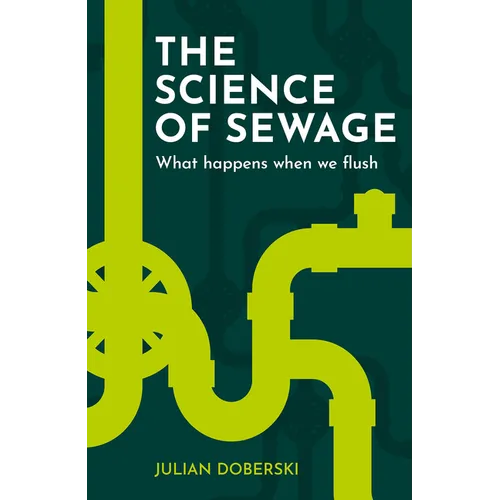
by Julian Doberski (Author)
Most of us don't think about what happens when we flush - until raw sewage appears where it isn't wanted, on our beaches or pouring into rivers. Yet enormous quantities of offensive and hazardous organic waste and dirty water are flushed into the sewers every day. So how exactly is it all cleaned up?
As Julian Doberski explains in this, his latest book, there's a certain biological magic in the cyclical process of turning sewage into river water, river water into drinking water and drinking water back into sewage. The Science of Sewage shines a light on this highly technical and complex operation.
Beginning with a look at how societies have attempted to deal with their waste - and avoid devastating waterborne diseases - throughout history, The Science of Sewage goes on to briefly review the current structure and ownership of the UK's 'water services'. The book then considers how the biological health of our natural water bodies is assessed, and the impact of sewage pollution on the finely balanced ecosystems within our rivers, lakes and coastal waters.
Julian Doberski explores the biological and technological options and challenges of turning domestic wastewater into effluent that can be safely discharged, revealing exactly what goes on in a sewage treatment works. This fascinating book then concludes by highlighting our collective responsibility - whether as citizens, public or private water service companies, or government and government regulatory bodies - for ensuring the quality of our water and the health of our environment.