Skip to content
Welcome To Our Store.
100,000+ Products for Home, Medical, Office & Classroom Needs
Search
Skip to product information
1 of 1

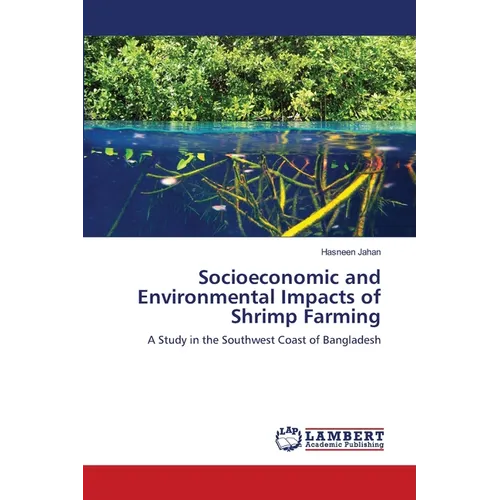
Socioeconomic and Environmental Impacts of Shrimp Farming - Paperback

$76.21
$76.21
Sale Sold out
Shipping calculated at checkout.
In stock (100 units), ready to be shipped

Available Offers

Fastest Delivery Tomorrow With Vip DealOrder within 1 hr 8 mins.

Instant 10% Discount On HDFC Banks Credit/Debit Cards EMI and CreditCard

Secure checkout with
  • American Express
  • Apple Pay
  • Diners Club
  • Discover
  • Google Pay
  • Mastercard
  • PayPal
  • Shop Pay
  • Visa

Flight Range: Up to 1,000 meters (3,280 feet)

Maximum Speed: 45 kilometers per hour (28 miles per hour)

For all orders exceeding a value of 100USD shipping is offered for free.

Returns will be accepted for up to 10 days of Customer’s receipt or tracking number on unworn items. You, as a Customer, are obliged to inform us via email before you return the item.

Otherwise, standard shipping charges apply. Check out our delivery Terms & Conditions for more details.

View Product Details
Shopping cart
Product Product subtotal Quantity Price Product subtotal
Socioeconomic and Environmental Impacts of Shrimp Farming - Paperback
$76.21/ea
$0.00
$76.21/ea $0.00

Product Description

by Hasneen Jahan (Author)

Shrimp farming is the fastest growing aquaculture and the second largest export earning sector in Bangladesh. This farming has substantially improved the socioeconomic condition of the coastal community, at the same time a number of environmental and socioeconomic problems have emerged. The book focuses on the socioeconomic and environmental impacts of shrimp farming in the coastal areas of Bangladesh and examines the institutional policies related to this farming. Starts with an introduction chapter, the book contains seven chapters on major issues of shrimp farming in Bangladesh, study area and research method, cost and revenue of shrimp farming, socioeconomic and environmental impacts of shrimp farming, institutional policies and management principles; and summary and conclusion. The author explains the issues from the grassroots' perspective and able to give us a clear picture of the whole story of shrimp farming. The book should be of interest to all stakeholders of shrimp farming, environmentalists, social workers, researchers and policy makers. It is also an interesting book for all who have general interest on agriculture, fishery, environment and social issues.

Number of Pages: 96
Dimensions: 0.23 x 9 x 6 IN
Publication Date: April 13, 2021
you might like