Skip to content
Welcome To Our Store.
100,000+ Products for Home, Medical, Office & Classroom Needs
Search
Skip to product information
1 of 1

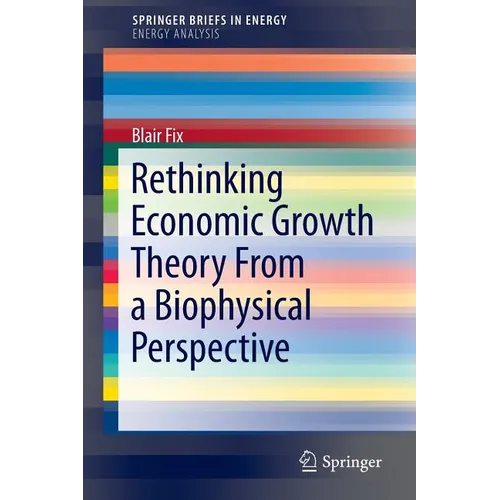
Rethinking Economic Growth Theory from a Biophysical Perspective - Paperback

$89.08
$89.08
Sale Sold out
Shipping calculated at checkout.
In stock (100 units), ready to be shipped

Available Offers

Fastest Delivery Tomorrow With Vip DealOrder within 1 hr 8 mins.

Instant 10% Discount On HDFC Banks Credit/Debit Cards EMI and CreditCard

Secure checkout with
  • American Express
  • Apple Pay
  • Diners Club
  • Discover
  • Google Pay
  • Mastercard
  • PayPal
  • Shop Pay
  • Visa

Flight Range: Up to 1,000 meters (3,280 feet)

Maximum Speed: 45 kilometers per hour (28 miles per hour)

For all orders exceeding a value of 100USD shipping is offered for free.

Returns will be accepted for up to 10 days of Customer’s receipt or tracking number on unworn items. You, as a Customer, are obliged to inform us via email before you return the item.

Otherwise, standard shipping charges apply. Check out our delivery Terms & Conditions for more details.

View Product Details
Shopping cart
Product Product subtotal Quantity Price Product subtotal
Rethinking Economic Growth Theory from a Biophysical Perspective - Paperback
$89.08/ea
$0.00
$89.08/ea $0.00

Product Description

by Blair Fix (Author)

Neoclassical growth theory is the dominant perspective for explaining economic growth. At its core are four implicit assumptions: 1) economic output can become decoupled from energy consumption; 2) economic distribution is unrelated to growth; 3) large institutions are not important for growth; and 4) labor force structure is not important for growth. Drawing on a wide range of data from the economic history of the United States, this book tests the validity of these assumptions and finds no empirical support. Instead, connections are found between the growth in energy consumption and such disparate phenomena as economic redistribution, corporate employment concentration, and changing labor force structure. The integration of energy into an economic growth model has the potential to offer insight into the future effects of fossil fuel depletion on key macroeconomic indicators, which is already manifested in stalled or diminished growth and escalating debt in many national economies. This book argues for an alternative, biophysical perspective to the study of growth, and presents a set of "stylized facts" that such an approach must successfully explain. Aspects of biophysical analysis are combined with differential monetary analysis to arrive at a unique empirical methodology for investigating the elements and dependencies of the economic growth process.

Number of Pages: 125
Dimensions: 0.3 x 9.21 x 6.14 IN
Illustrated: Yes
Publication Date: December 19, 2014
you might like