Relationships among Combat Experience, Moral Injury, and Mental Health Outcomes - Paperback
Available Offers
Fastest Delivery Tomorrow With Vip DealOrder within 1 hr 8 mins.
Instant 10% Discount On HDFC Banks Credit/Debit Cards EMI and CreditCard
Couldn't load pickup availability
Product Details
Flight Range: Up to 1,000 meters (3,280 feet)
Maximum Speed: 45 kilometers per hour (28 miles per hour)
Shipping And Return
For all orders exceeding a value of 100USD shipping is offered for free.
Returns will be accepted for up to 10 days of Customer’s receipt or tracking number on unworn items. You, as a Customer, are obliged to inform us via email before you return the item.
Otherwise, standard shipping charges apply. Check out our delivery Terms & Conditions for more details.
Product Description
by Leanne Komnick Psy D. (Author)
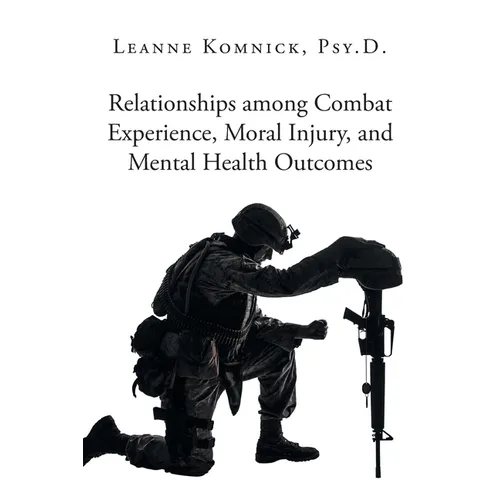
Nearly two million military members have deployed in support of the continued conflicts in Iraq (Operation Iraqi Freedom, OIF) and Afghanistan (Operation Enduring Freedom, OEF) and Operation New Dawn (OND) (Campbell and Riggs 2015). We as a society have become more aware of the effects of war. For example, we know that military members who have engaged in combat are far more likely to be diagnosed with post-traumatic stress disorder (PTSD), anxiety, and depression. Yet there are many unanswered questions related to the psychological treatment and interventions developed for those who have served in the Armed Forces as well as the reduction and prevention of the completion of suicide in this community. The current statistics state that twenty-two veterans a day die from suicide (Department of Veterans Affairs 2017). This body of work is dedicated to the impact that war can pose on those who have served in the Armed Forces and aims to shine a light on the impact that moral injury can pose.