Prostasin in Human Health and Disease - Hardcover
Available Offers
Fastest Delivery Tomorrow With Vip DealOrder within 1 hr 8 mins.
Instant 10% Discount On HDFC Banks Credit/Debit Cards EMI and CreditCard
Couldn't load pickup availability
Product Details
Flight Range: Up to 1,000 meters (3,280 feet)
Maximum Speed: 45 kilometers per hour (28 miles per hour)
Shipping And Return
For all orders exceeding a value of 100USD shipping is offered for free.
Returns will be accepted for up to 10 days of Customer’s receipt or tracking number on unworn items. You, as a Customer, are obliged to inform us via email before you return the item.
Otherwise, standard shipping charges apply. Check out our delivery Terms & Conditions for more details.
Product Description
by Chen Li-Mei (Author)
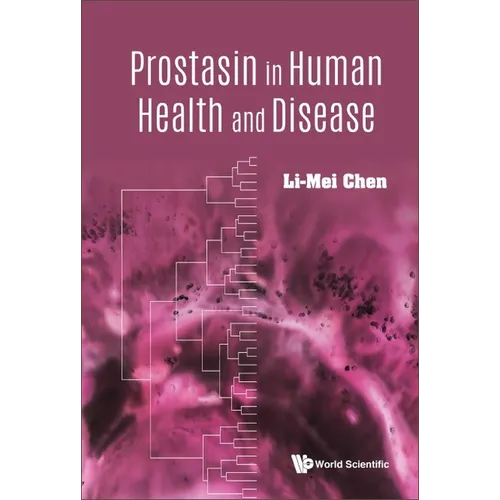
The formation of placenta can be viewed as a controlled process of inflammation or cancer development in which cell proliferation, invasion, and immune surveillance or evasion are promoted in a time- and space-specific manner. This suggests that the functions of prostasin are mainly active in pathophysiological conditions, more so than those in basic or normal physiological conditions. The uniqueness of the prostasin serine protease is its membrane anchorage via a glycosylphosphatidylinositol moiety. This anchorage exposes the entire prostasin molecule to the outside while still being immobilized on the cell membrane and gives prostasin a better chance to be used as a biomarker or drug target. As presented in placenta development, the equilibrium between growth and differentiation dictates healthy and disease states.
This book provides readers with an integrated knowledge on serine protease prostasin, starting with its discovery, protein isolation, cDNA, and gene cloning, to its functions in physiology and pathophysiology, and to its application in the development of therapeutics. This is the first-of-its-kind book that covers the history, present state of knowledge, and future perspectives of the prototypic glycosylphosphatidylinositol-anchored epithelial extracellular serine protease prostasin, which is a key player in the regulation and maintenance of the extracellular fluid homeostasis. The chapters encapsulate all that has been learned about prostasin in the technical sophistication, but more importantly, also highlight a critical analysis on the problems with the current state of research and outline the challenges for the future.