Skip to content
Welcome To Our Store.
100,000+ Products for Home, Medical, Office & Classroom Needs
Search
Skip to product information
1 of 1

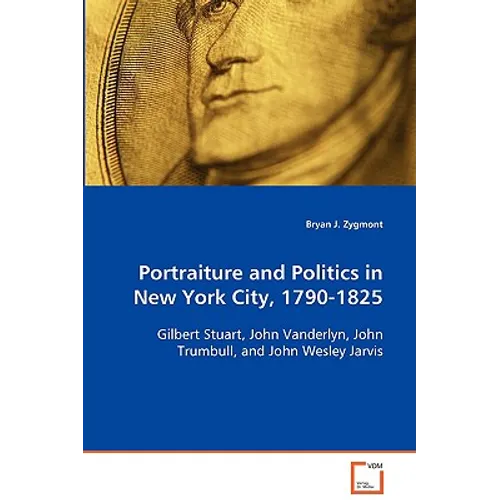
Portraiture and Politics in New York City, 1790-1825 - Paperback

$122.87
$122.87
Sale Sold out
Shipping calculated at checkout.
In stock (100 units), ready to be shipped

Available Offers

Fastest Delivery Tomorrow With Vip DealOrder within 1 hr 8 mins.

Instant 10% Discount On HDFC Banks Credit/Debit Cards EMI and CreditCard

Secure checkout with
  • American Express
  • Apple Pay
  • Diners Club
  • Discover
  • Google Pay
  • Mastercard
  • PayPal
  • Shop Pay
  • Visa

Flight Range: Up to 1,000 meters (3,280 feet)

Maximum Speed: 45 kilometers per hour (28 miles per hour)

For all orders exceeding a value of 100USD shipping is offered for free.

Returns will be accepted for up to 10 days of Customer’s receipt or tracking number on unworn items. You, as a Customer, are obliged to inform us via email before you return the item.

Otherwise, standard shipping charges apply. Check out our delivery Terms & Conditions for more details.

View Product Details
Shopping cart
Product Product subtotal Quantity Price Product subtotal
Portraiture and Politics in New York City, 1790-1825 - Paperback
$122.87/ea
$0.00
$122.87/ea $0.00

Product Description

by Bryan J. Zygmont (Author)

Four prominent portraitists were active in New York City between 1790 and 1825. Despite working in the same location, these artists had different training, developed distinct aesthetics, and often worked for distinct groups of patrons. Gilbert Stuart returned to the United States in 1793 and established himself as the preeminent portraitist in New York City. This coincided with a moment of political harmony in the United States. John Vanderlyn received most of his training in Paris in the studio of a prominent French neoclassicist. When Vanderlyn re-turned to New York City, Democratic-Republicans, politicians who wished to tie the diplomatic future of the United States to France, quickly embraced his French aesthetic. Conversely, Federalists who wished to further tie America to Great Britain preferred John Trumbull's English style. John Wesley Jarvis did not receive European training and instead developed an aesthetic that was quickly embraced by individuals who did not wish their portrait express political alignment. This neutrality was one reason why members of the military preferred Jarvis over his more politically inclined competitors.

Number of Pages: 252
Dimensions: 0.53 x 9 x 6 IN
Publication Date: October 13, 2008
you might like








