


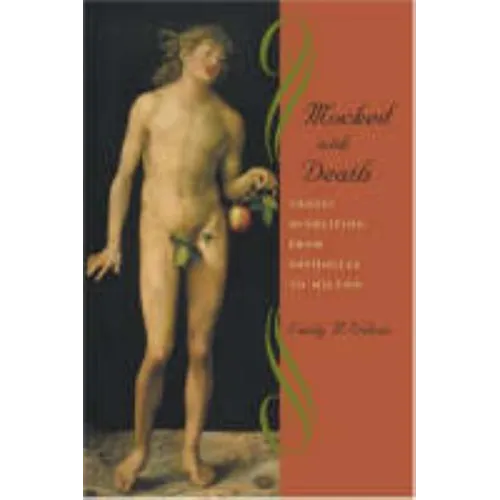
Product Description
by Emily R. Wilson (Author)
In Paradise Lost, Adam asks, "Why do I overlive?" Adam's anguished question is the basis for a critical analysis of living too long as a neglected but central theme in Western tragic literature. Emily Wilson examines this experience in works by Milton and by four of his literary predecessors: Sophocles, Euripides, Seneca, and Shakespeare. Each of these writers composed works in which the central character undergoes unbearable suffering or loss, hopes for death, but goes on living.
Mocked with Death makes clear that tragic works need not find their moral and aesthetic conclusion in death and that, in some instances, tragedy consists of living on rather than dying. Oedipus's survival at the end of Oedipus Tyrannus and Oedipus Coloneus is clearly one such instance; another Euripides' Heracles. In Seneca's Hercules Furens, overliving becomes an expression of anxieties about both political and literary belatedness. In King Lear and Macbeth, the sense of overliving produces a divided sense of self. For Milton, in both Samson Agonistes and Paradise Lost, overliving is a theological problem arising from the tension between mortal conceptions of time and divine providence.
Each writer in this tradition, Wilson concludes, attempts to diminish the anxieties arising from living past one's time but cannot entirely minimize them. Tragedies of overliving remain disturbing because they remind us that life is rarely as neat as we expect and hope it be and that endings often come too late.
Author Biography
Emily R. Wilson is an assistant professor of classical studies at the University of Pennsylvania.



