Columbia Rising: Civil Life on the Upper Hudson from the Revolution to the Age of Jackson - Paperback
Available Offers
Fastest Delivery Tomorrow With Vip DealOrder within 1 hr 8 mins.
Instant 10% Discount On HDFC Banks Credit/Debit Cards EMI and CreditCard
Couldn't load pickup availability
Product Details
Flight Range: Up to 1,000 meters (3,280 feet)
Maximum Speed: 45 kilometers per hour (28 miles per hour)
Shipping And Return
For all orders exceeding a value of 100USD shipping is offered for free.
Returns will be accepted for up to 10 days of Customer’s receipt or tracking number on unworn items. You, as a Customer, are obliged to inform us via email before you return the item.
Otherwise, standard shipping charges apply. Check out our delivery Terms & Conditions for more details.
Product Description
by John L. Brooke (Author)
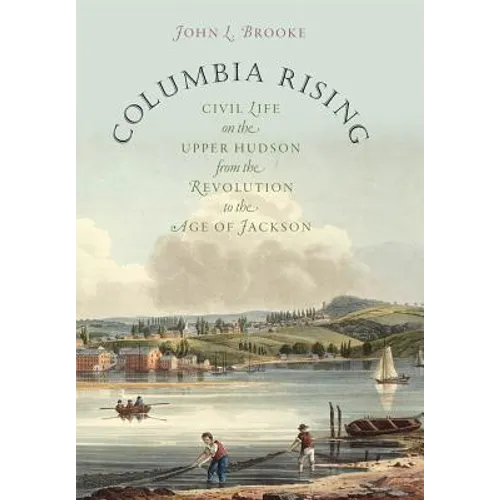
In Columbia Rising, Bancroft Prize-winning historian John L. Brooke explores the struggle within the young American nation over the extension of social and political rights after the Revolution. By closely examining the formation and interplay of political structures and civil institutions in the upper Hudson Valley, Brooke traces the debates over who should fall within and outside of the legally protected category of citizen. The story of Martin Van Buren threads the narrative, since his views profoundly influenced American understandings of consent and civil society and led to the birth of the American party system. Brooke's analysis of the revolutionary settlement as a dynamic and unstable compromise over the balance of power offers a window onto a local struggle that mirrored the nationwide effort to define American citizenship.
Front Jacket
Brooke explores the struggle within the young American nation over the extension of social and political rights after the Revolution. By closely examining the formation and interplay of political structures and civil institutions in the upper Hudson Valley, Brooke traces the debates over who should fall within and outside of the legally protected category of citizen. The story of Martin Van Buren threads the narrative, since his views profoundly influenced American understandings of consent and civil society and led to the birth of the American party system. Brooke's analysis of the revolutionary settlement as a dynamic and unstable compromise over the balance of power offers a window to a local struggle that mirrored the nationwide effort to define American citizenship.