Alimentary Tracts: Appetites, Aversions, and the Postcolonial - Paperback
Available Offers
Fastest Delivery Tomorrow With Vip DealOrder within 1 hr 8 mins.
Instant 10% Discount On HDFC Banks Credit/Debit Cards EMI and CreditCard
Couldn't load pickup availability
Product Details
Flight Range: Up to 1,000 meters (3,280 feet)
Maximum Speed: 45 kilometers per hour (28 miles per hour)
Shipping And Return
For all orders exceeding a value of 100USD shipping is offered for free.
Returns will be accepted for up to 10 days of Customer’s receipt or tracking number on unworn items. You, as a Customer, are obliged to inform us via email before you return the item.
Otherwise, standard shipping charges apply. Check out our delivery Terms & Conditions for more details.

Product Description
by Parama Roy (Author)
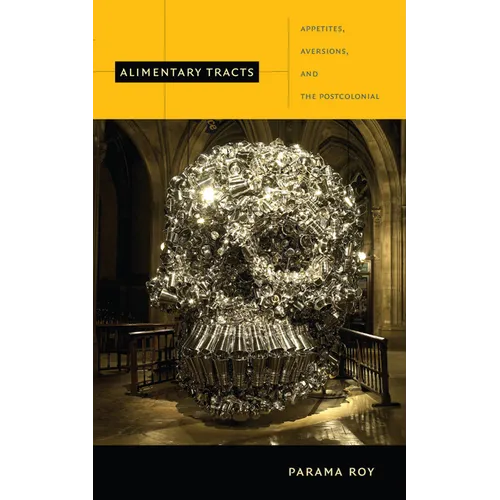
In Alimentary Tracts Parama Roy argues that who eats and with whom, who starves, and what is rejected as food are questions fundamental to empire, decolonization, and globalization. In crucial ways, she suggests, colonialism reconfigured the sensorium of colonizer and colonized, generating novel experiences of desire, taste, and appetite as well as new technologies of the embodied self. For colonizers, Indian nationalists, diasporic persons, and others in the colonial and postcolonial world orders, the alimentary tract functioned as an important corporeal, psychoaffective, and ethicopolitical contact zone, in which questions of identification, desire, difference, and responsibility were staged.
Interpreting texts that have addressed cooking, dining, taste, hungers, excesses, and aversions in South Asia and its diaspora since the mid-nineteenth century, Roy relates historical events and literary figures to tropes of disgust, abstention, dearth, and appetite. She analyzes the fears of pollution and deprivation conveyed in British accounts of the so-called Mutiny of 1857, complicates understandings of Mohandas K. Gandhi's vegetarianism, examines the "famine fictions" of the novelist-actor Mahasweta Devi, and reflects on the diasporic cookbooks and screen performances of Madhur Jaffrey. This account of richly visceral global modernity furnishes readers with a new idiom for understanding historical action and cultural transformation.
Back Jacket
This splendid book uses ideas about food, fasting and famine to explore the Indian colonial sensorium in a truly original manner. It should be of great interest to historians of colonialism, of cuisine and of the affective practices through which the colony--and the post-colony--produce their effects. It is beautifully and forcefully written, thus itself a sensory bonus for the reader.--Arjun Appadurai, New York University
Author Biography
Parama Roy is Professor of English at the University of California, Davis. She is the author of Indian Traffic: Identities in Question in Colonial and Postcolonial India and an editor of States of Trauma: Gender and Violence in South Asia.