Skip to content
Welcome To Our Store.
100,000+ Products for Home, Medical, Office & Classroom Needs
Search
Skip to product information
1 of 1

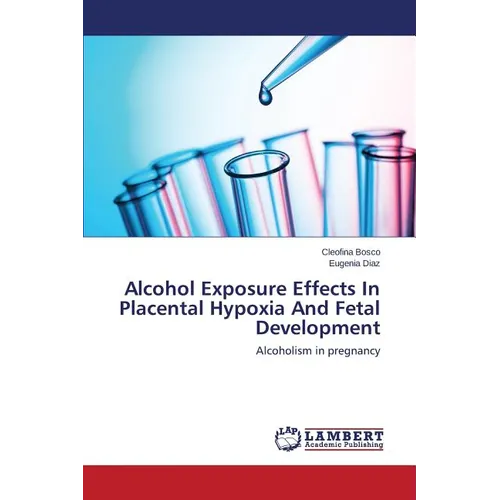
Alcohol Exposure Effects In Placental Hypoxia And Fetal Development - Paperback

$44.95
$44.95
Sale Sold out
Shipping calculated at checkout.
In stock (100 units), ready to be shipped

Available Offers

Fastest Delivery Tomorrow With Vip DealOrder within 1 hr 8 mins.

Instant 10% Discount On HDFC Banks Credit/Debit Cards EMI and CreditCard

Secure checkout with
  • American Express
  • Apple Pay
  • Diners Club
  • Discover
  • Google Pay
  • Mastercard
  • PayPal
  • Shop Pay
  • Visa

Flight Range: Up to 1,000 meters (3,280 feet)

Maximum Speed: 45 kilometers per hour (28 miles per hour)

For all orders exceeding a value of 100USD shipping is offered for free.

Returns will be accepted for up to 10 days of Customer’s receipt or tracking number on unworn items. You, as a Customer, are obliged to inform us via email before you return the item.

Otherwise, standard shipping charges apply. Check out our delivery Terms & Conditions for more details.

View Product Details
Shopping cart
Product Product subtotal Quantity Price Product subtotal
Alcohol Exposure Effects In Placental Hypoxia And Fetal Development - Paperback
$44.95/ea
$0.00
$44.95/ea $0.00

Product Description

by Bosco Cleofina (Author), Diaz Eugenia (Author)

Sustained alcohol abuse by pregnant women is clearly on the rise, so their effects on pregnancy outcomes are today considered important public health issues. Alcohol is one of the commonest teratogenic agents and its uncontrolled consumption by pregnant women can give rise to an irreversible condition in the child called Fetal Alcohol Spectrum Disorders (FASD). Cases that exhibit all of the following criteria: central nervous system dysfunction, prenatal and postnatal growth deficiency and cranial/facial abnormalities, are referred as fetal alcohol syndrome (FAS). All children of mothers who abuse alcohol consumption during pregnancy do not necessarily develop FAS/FASD. The potential source of individual variability includes differences in the pattern, frequency and duration of the period of drinking, differences in maternal, fetal and placental metabolism of ethanol/acetaldehyde, as well as genetic factors. Studies performed in animal models suggest that acetaldehyde, the primary hepatic oxidative metabolite of ethanol, reaches the foetus either by placental production or by placental transference, which in turn could affect fetal growth and development.

Number of Pages: 68
Dimensions: 0.16 x 9 x 6 IN
Publication Date: July 14, 2014
you might like