Skip to content
Welcome To Our Store.
100,000+ Products for Home, Medical, Office & Classroom Needs
Search
Skip to product information
1 of 1

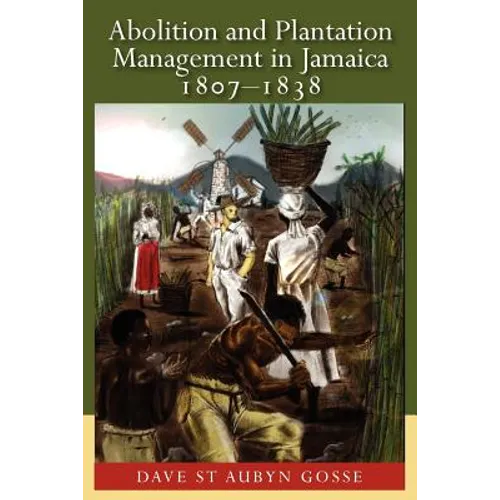
Abolition and Plantation Management in Jamaica, 1807-1838 - Paperback

$51.84
$51.84
Sale Sold out
Shipping calculated at checkout.
In stock (100 units), ready to be shipped

Available Offers

Fastest Delivery Tomorrow With Vip DealOrder within 1 hr 8 mins.

Instant 10% Discount On HDFC Banks Credit/Debit Cards EMI and CreditCard

Secure checkout with
  • American Express
  • Apple Pay
  • Diners Club
  • Discover
  • Google Pay
  • Mastercard
  • PayPal
  • Shop Pay
  • Visa

Flight Range: Up to 1,000 meters (3,280 feet)

Maximum Speed: 45 kilometers per hour (28 miles per hour)

For all orders exceeding a value of 100USD shipping is offered for free.

Returns will be accepted for up to 10 days of Customer’s receipt or tracking number on unworn items. You, as a Customer, are obliged to inform us via email before you return the item.

Otherwise, standard shipping charges apply. Check out our delivery Terms & Conditions for more details.

View Product Details
Shopping cart
Product Product subtotal Quantity Price Product subtotal
Abolition and Plantation Management in Jamaica, 1807-1838 - Paperback
$51.84/ea
$0.00
$51.84/ea $0.00

Product Description

by Dave St Aubyn Gosse (Author)

The British Parliament's decision to abolish the slave trade in 1807 had disastrous implications for plantation societies, such as Jamaica, in regards to the health and the labour of the enslaved population. Many of the Jamaican sugar planters could not accept the fact that the 1807 Abolition Act was a watershed moment which demanded a more conciliatory form of management and a willingness to implement critical labour reforms, such as task work. The failure to introduce these necessary internal reforms resulted in the continuing decline in the plantations' crude production figures and in their productivity levels, despite the introduction of steam engines on many estates. The numerical strength of the enslaved population was also decreasing, and most important the health of the enslaved Africans was seriously declining. The planters' failure to also eliminate their ambiguous management structure further hastened their own demise and the profitability of slavery in Jamaica.

Number of Pages: 248
Dimensions: 0.7 x 8.9 x 6 IN
Illustrated: Yes
Publication Date: October 31, 2012
you might like