



































Lift, position and support cabinets, doors, panels and woodworking materials with greater control during installation, repair and renovation projects.

Make Cabinet Installation and Woodworking Easier
Installing cabinets, doors, panels and other heavy materials can quickly become difficult when you are working alone. Even when the material is not extremely heavy, holding it at exactly the right height while trying to measure, level, align and secure it can be frustrating. This is where an Arm Jack Cabinet Lifter can become a valuable addition to your woodworking and installation toolkit.
The adjustable lifting tool is designed to provide temporary support while positioning materials. Instead of trying to hold a cabinet or panel in place with one hand and operate tools with the other, the arm jack can provide an additional support point. This can make installation work more controlled and allow you to focus on alignment and fastening.
Its portable design makes it suitable for cabinet installers, carpenters, remodelers, furniture makers, maintenance professionals and DIY users. From kitchen renovation projects to door installation and furniture assembly, the tool can help make repetitive positioning jobs easier to manage.


Why Use an Arm Jack Cabinet Lifter?
Installation projects often require small height adjustments. A cabinet may need to move slightly upward before the mounting screws are installed, or a door may need to be raised just enough to align its hinges. Trying to make these adjustments manually can be awkward, particularly when working with larger materials.
An adjustable cabinet lifting tool gives you another way to support the workpiece while making these corrections. The tool can be placed beneath a suitable surface and adjusted until the material reaches the desired position.
A practical extra hand: The biggest advantage of an arm jack is not simply lifting. It is the ability to temporarily hold and position a workpiece while you check alignment, level the material or prepare to secure it.
Useful for One-Person Projects
Some installation jobs are much easier with two people. One person holds the material while the other checks the level and installs the fasteners. When another person is unavailable, a positioning tool can provide useful temporary support.
This is particularly helpful for DIY renovation work, smaller installation businesses and maintenance tasks where one person frequently needs to complete the job.


Where Can You Use a Cabinet Lifter?
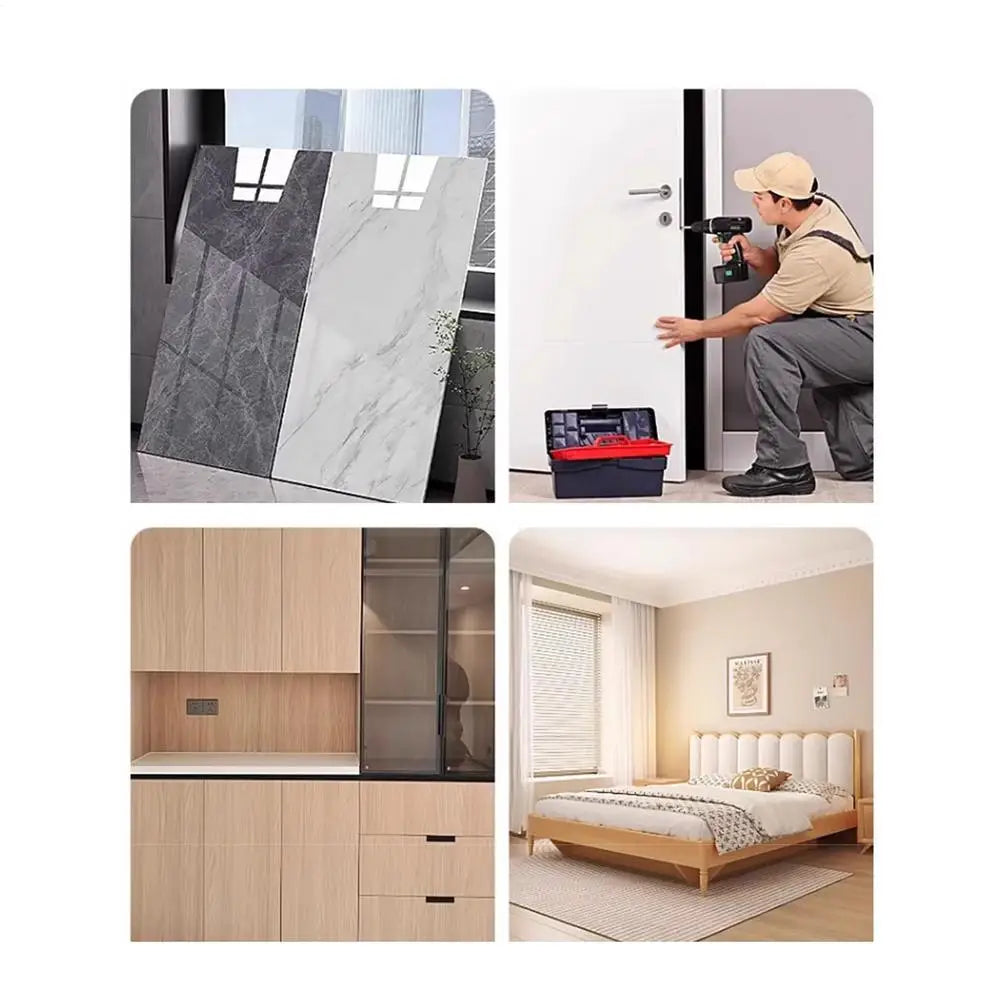
Although the name focuses on cabinets, this type of adjustable lifting tool can be useful for several installation and woodworking applications. The exact application should always stay within the tool manufacturer's stated capacity and operating instructions.
- Kitchen cabinets: support cabinets while checking height and alignment.
- Doors: assist with positioning a door while aligning hinges and hardware.
- Furniture: provide temporary support during assembly, adjustment or repair.
- Wood panels: help position panels before fastening them in place.
- Shelving: provide support while measuring and securing shelving components.
- Renovation work: assist with controlled positioning during repair and remodeling projects.
Better Control During Fine Adjustments
Good installation work often depends on precision rather than speed. Cabinets should line up correctly, doors need suitable clearance, and panels need to remain level while they are secured. Even a small movement at the wrong moment can affect the finished result.
An arm jack gives the installer a controlled support point. Once the material is supported, you can check measurements, inspect alignment and make smaller corrections without continuously carrying the full load by hand.
This can be particularly useful when installing adjacent cabinets. Small differences in height can become visible once countertops, trim or doors are added. Taking additional time to align each component can contribute to a cleaner finished installation.



How to Use an Arm Jack Cabinet Lifter
The exact operating method depends on the specific product, so always follow the manufacturer's instructions. In general, the basic workflow is straightforward.
- Inspect the tool. Check the lifter before use and make sure its components are properly positioned and undamaged.
- Position the base. Place the tool on a stable surface underneath the material that needs support.
- Position the lifting plate. Make sure the contact area is appropriately located against the workpiece.
- Raise the material gradually. Use the adjustment mechanism to lift or position the workpiece in controlled increments.
- Check alignment. Use a level, measuring tool or reference point to confirm the correct position.
- Secure the workpiece. Once properly positioned, fasten the cabinet, panel, door or other material using the appropriate installation method.
- Release the lifter carefully. Confirm that the workpiece is securely supported before removing pressure from the tool.


What to Consider Before Using a Cabinet Lifter
Before using any lifting or positioning tool, consider the size, weight and stability of the material being handled. Never assume that a compact tool can safely support an unlimited amount of weight. Check the specific product specifications and stay within the manufacturer's stated limits.
The supporting surface is equally important. The base should sit on a stable area where it cannot easily slide or tip. The workpiece should also contact the lifting platform securely. If a cabinet, panel or other object could shift unexpectedly, use additional support as appropriate.
Safety Tip: A cabinet lifter is a positioning and support tool. Do not work underneath an unsupported load, exceed the manufacturer's rated capacity, or rely on the tool as permanent structural support.
A Compact Tool for Installers and DIY Projects
Large workshop machines are useful, but many everyday installation jobs benefit from compact tools that are easy to carry from one project to the next. An arm jack cabinet lifter can fit into a broader woodworking or installation toolkit without requiring the space of large lifting equipment.
For professional installers, that portability can be useful when moving between job sites. For homeowners, it means the tool can be stored with other renovation equipment and brought out when cabinets, furniture, doors or panels need adjustment.
The real advantage is simplicity. Instead of improvising with scrap wood, wedges or unstable supports, an adjustable lifting tool provides a purpose-built way to make controlled positioning changes.
Is an Arm Jack Cabinet Lifter Worth Adding to Your Toolkit?
If you regularly install cabinets, assemble furniture, hang doors or work on renovation projects, an adjustable cabinet lifter can be a useful supporting tool. It does not replace proper installation techniques or safe lifting practices, but it can make many positioning jobs easier to control.
It can be particularly helpful when working alone. Supporting a workpiece while simultaneously checking measurements and installing hardware is often one of the most inconvenient parts of a project. Having a compact adjustable support available can make that process more manageable.
Whether you are upgrading kitchen cabinets, working on custom furniture, adjusting a door or tackling your next DIY renovation, the Arm Jack Cabinet Lifter provides a simple way to add temporary lifting and positioning support to your workspace.
Upgrade Your Woodworking Toolkit
Explore the Arm Jack Cabinet Lifter from SmartSupplyDeals and add a practical lifting, positioning and alignment tool to your installation equipment.
View Arm Jack Cabinet Lifter```
